Industry
Reshoots Are Planned Long Before They Are Admitted
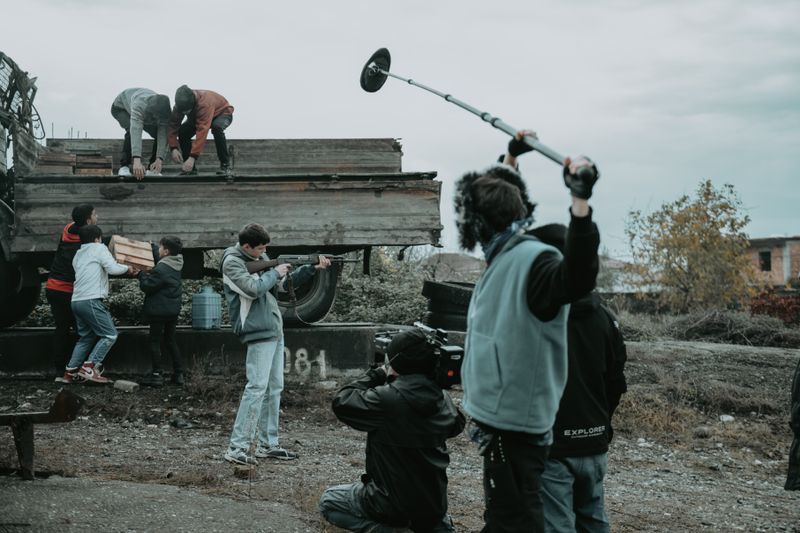
Additional photography is budgeted and scheduled at the start of a production, so a film going back to shoot more is usually following a plan rather than fixing a disaster.

Additional photography is treated in the press as evidence that something went wrong. On a large production it is normally the opposite: time and money set aside at the beginning for work that could not be finished in one pass.
The contingency is built into the budget
Studio productions carry a reserve for later shooting days, and the cast contracts include availability windows for them. Those commitments are negotiated before principal photography begins.
Because the money is allocated in advance, using it is not an overrun. A film that shoots additional days inside its reserve is on budget by the definition everyone agreed to.
Reporting rarely reflects that distinction, since budgets are described from outside rather than disclosed. Extra days look like an emergency because nothing announced them as routine.
Some work can only be identified after an edit exists
A script tells you what the scenes are. A cut tells you how they play, and some problems are invisible until the material is assembled at length.
A transition that felt clear on the page may need a line to establish where a character has gone. A relationship may need one more beat before a later scene can carry weight.
Those fixes are frequently small: an insert, a pickup line, a single reaction. They still require a stage, a crew and a performer who has moved on to something else.
Visual effects work drives its own returns
Sequences built heavily in post-production are often shot before their final design is settled. When the effects work develops, the live-action element sometimes no longer fits.
Additional plates, cleaner elements and performers photographed against a different background are all common. This is production work continuing, not repair.
Scheduling here is dictated by vendor timelines, which is why later shooting days can fall many months after the main unit wrapped.
Test screenings change what gets shot
Preview audiences reliably reveal a small number of blunt problems: who they were confused about, where they lost interest, which ending they resisted.
Responses that identify a structural gap can only be answered with new material. Editing can remove a problem but it cannot invent a scene that was never photographed.
Studios treat that as one of the reasons for previewing at all. The exercise is worth less if there is no remaining capacity to act on the result.
The cost is scheduling, not filming
Shooting a handful of days is cheap next to reassembling the people required. Actors have other commitments, sets have been struck, and locations have returned to normal use.
Departments rebuild what is needed from stored elements and photographs, and continuity records become the reference for hair, wardrobe and set dressing months later.
That reconstruction is the real expense, and it is why productions try to identify additional work early, while the machine that made the film is still standing.
Questions readers ask
Does the casting director choose the cast?
They assemble and narrow the options and advocate strongly, but the final decision normally sits with the director and, for significant roles, with financiers.
Why are self-taped auditions controversial?
They widen access and remove travel cost, but they shift unpaid preparation onto performers and remove the direct redirection that tells a casting director the most.