Streaming
The algorithm decides what you are offered, not what is good
Streaming recommendation optimises for completion and retention. Understanding that changes how you use it.

The options around streaming recommendations are set out side by side below, with the conditions that genuinely favour one over the other.
The difference in one place
- Recommendation optimises for engagement metrics, not for quality judgements.
- Artwork is personalised per user on some services.
- Catalogue depth is invisible because the interface surfaces a fraction of it.
The objective is retention
Recommendation systems are tuned to keep subscribers subscribed, which means predicting what you will finish rather than what you will admire. Those are different targets, and they diverge most for demanding or unfamiliar work. A system optimised this way will reliably under-surface anything challenging, because challenging work has lower completion rates.
This is a rational business decision with a predictable cultural consequence.
Artwork is personalised
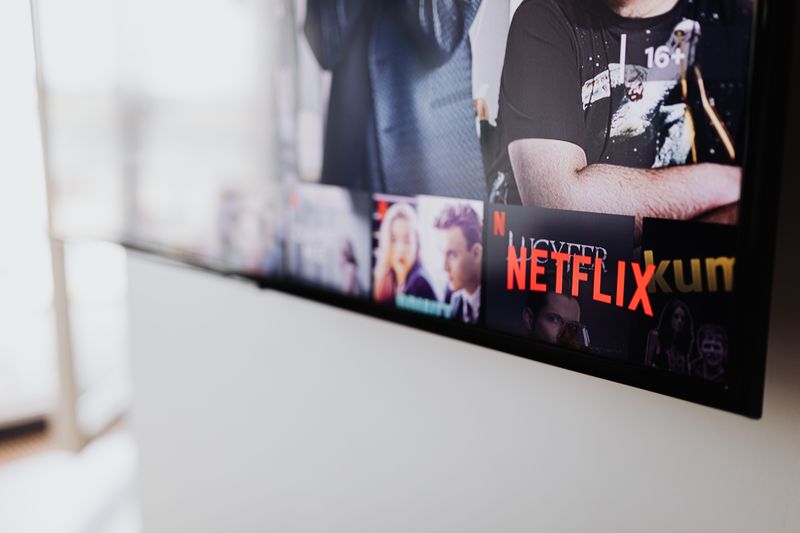
Several services select thumbnail images per user based on what that user has previously engaged with. The same film can be presented as a romance to one viewer and a thriller to another using different stills.
What the cut is doing: this is documented by the services themselves and is unsettling mainly because most viewers do not know it is happening. The images come from a set the rights holder approved, so this is selection rather than fabrication, which is a meaningful distinction and not one the interface ever makes.
The catalogue is larger than the interface
Browsing surfaces a small, personalised fraction of what is available, and the rest is effectively invisible without a direct search. Titles licensed for limited periods often never appear in anyone's recommendations before expiring. Using search deliberately, or external lists and critics, recovers most of the catalogue the interface hides.
Search is often unhelpful in its own way, because a query for a title the service does not carry returns approximate matches instead of saying no, which leaves viewers believing a catalogue contains things it never did.
Licensing churn is invisible
Titles arrive and leave on contract cycles, and services rarely announce departures prominently. This means a viewer cannot rely on anything remaining available, which is a meaningful difference from ownership. For anything you genuinely care about, a physical copy or a purchase remains the only durable option.
Watched twice, commissioned work is not exempt: services have withdrawn productions they financed themselves from their own catalogues for accounting reasons, which removes films and series that exist nowhere else at all.
Better ways to find things
Following individual critics, festival programmes, repertory cinema listings and director filmographies produces a different and generally richer set of recommendations. Watchlists maintained outside the service survive titles leaving and moving between platforms. The practical version is to arrive with something in mind rather than to browse.
The weakness of that advice is that it presumes you already know what you are looking for, which serves people who are oriented in film and does very little for anyone at the start of it.
This reads the finished film, which is not the same as reading the intention.
Scores and rankings measure different things
An aggregate rating compresses a distribution into one number, so a film half an audience loves and half rejects can score much like one everybody found acceptable. Rankings inside a service are usually counts of what was watched in a window, which reflects placement and promotion at least as much as interest. Review aggregation weights whichever publications happen to be indexed, and that set is neither complete nor stable, which is worth knowing before reading a percentage as consensus.
On screen, a handful of critics whose disagreements with you are legible remains more useful, because knowing how a specific person differs from you carries information that an average cannot.
Side by side
| Consideration | What it means in practice |
|---|---|
| The objective is retention | Recommendation optimises for engagement metrics, not for quality judgements. |
| Artwork is personalised | Artwork is personalised per user on some services. |
| The catalogue is larger than the interface | Catalogue depth is invisible because the interface surfaces a fraction of it. |
The takeaway
Arrive with a title in mind. Browsing hands the decision to a retention metric.
Craft is the part that keeps working after the surprise has gone.
Questions readers ask
Why does the same show keep appearing?
Because the system predicts you are likely to watch it and because promoted titles receive placement. Both are engagement decisions rather than quality signals.
Do services really change the artwork per user?
Several have publicly described doing exactly this, selecting from multiple approved images based on viewing history.