Streaming
Localisation is now a commissioning decision, not an afterthought
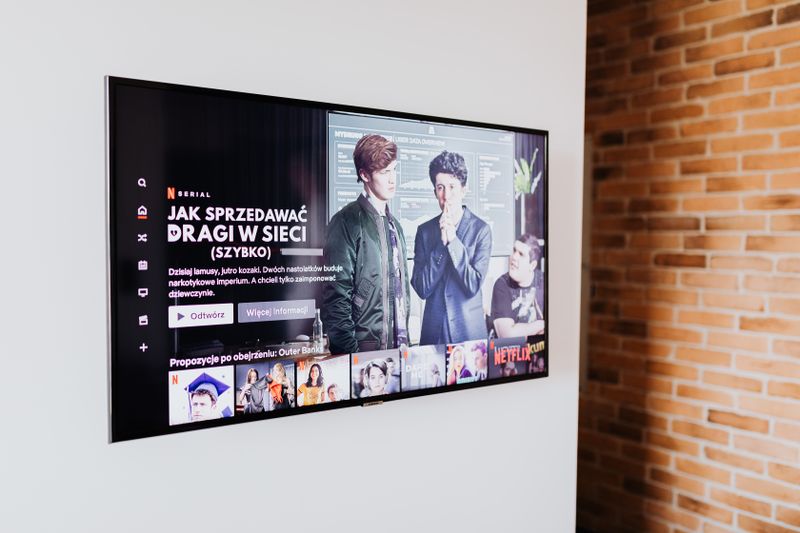
Subtitling and dubbing used to happen after a show succeeded. On a global platform they are planned from the start, and they change how work is written.
This is less a set of instructions about subtitling and dubbing than an argument, and it is worth saying so at the start.
The argument in brief
- Subtitles compress dialogue to fit reading speed limits.
- Dubbing rewrites lines to match mouth movement and timing.
- Non-English-language series reaching global audiences changed commissioning patterns.
Subtitles are compression, not transcription
Reading speed limits mean subtitles carry substantially fewer words than the dialogue spoken, so translators cut secondary content deliberately. Character limits per line and minimum display durations are technical constraints that shape every choice. This is why subtitles sometimes appear to omit things and why a bilingual viewer notices gaps that are not errors.
Good subtitling preserves meaning and register rather than words, which is a rewriting job.
Dubbing solves a different equation
Dubbed dialogue must fit the visible mouth movements and the duration of the original line, which constrains vocabulary and sentence structure severely. Adaptation writers work from a literal translation and rebuild lines for syllable count and lip shape. This is why dubbed and subtitled versions of the same scene can differ in content, and both can be defensible.
Neither is a betrayal of the original; they are different compromises with different constraints.
Regional preference is largely historical
Some countries dub almost everything and others subtitle almost everything, and the split tracks post-war broadcasting policy and literacy campaigns more than present-day taste. Audiences reliably prefer whichever they grew up with and describe the other as distracting. Platforms now default to dubbed audio in many territories, which has produced complaints from viewers who did not know a setting had been chosen for them.
In practice, checking the audio and subtitle defaults is worth doing once per device.
Subtitles for the deaf and hard of hearing are a distinct product
Captions include speaker identification, sound effects and music cues, and are written for viewers who cannot hear the audio at all. Translation subtitles do not include this material, so switching languages can lose accessibility information. Availability and quality vary widely by platform and by title, and requirements differ by jurisdiction.
This is a genuine accessibility gap rather than a preference issue.
Global reach changed what gets commissioned
Series in languages other than English reaching very large international audiences demonstrated that subtitles are not the barrier they were assumed to be. That has driven substantial investment in production across many countries and changed which markets are considered exportable. It has also created a recognisable international style in some commissioning, optimised for travelling well.
On screen, both effects are real, and the second is a cost that comes with the first.
This reads the finished film, which is not the same as reading the intention.
Localisation labour is under pressure
Translators and adaptation writers are typically freelance, paid per minute of content, and working to compressed delivery schedules. Machine translation with human editing has been introduced into parts of the pipeline, and its quality varies by language pair and content type. Where rates fall, the visible result is subtitles that are literal, badly timed or missing register.
It is the same pattern as other invisible craft: the work only becomes noticeable when it fails.
The takeaway
Set your audio and subtitle defaults yourself. The platform already chose for you.
Craft is the part that keeps working after the surprise has gone.
Questions readers ask
Why do subtitles not match the dubbed dialogue?
They are separate adaptations with different constraints. Subtitles compress for reading speed; dubbing rewrites for lip movement and timing.
Are subtitles or dubbing better?
Neither in general. Subtitles preserve original performance and cost reading attention. Dubbing preserves visual attention and replaces the vocal performance.