Streaming
Autoplay is an editorial decision disguised as a convenience
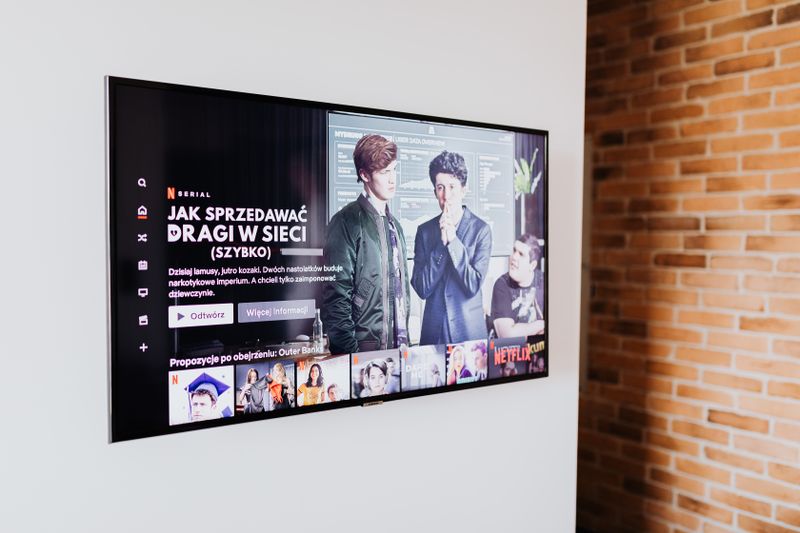
Interface design on a streaming service decides what you consider watching. Countdown timers, autoplaying previews and row order do more curatorial work than any critic.
This works through streaming interface design in the order the parts actually depend on each other.
The short version
- Row order and placement determine what a majority of viewers ever see.
- Autoplay reduces the decision point between episodes to a few seconds.
- Interface defaults are tested continuously against engagement metrics.
Placement is the whole game
The top rows and the first few tiles of each row receive a hugely disproportionate share of attention, as with any ranked interface. Anything further down is effectively invisible unless a viewer searches for it directly. This means row composition is a curatorial act performed by an optimisation system rather than a person.
A title's fate on a platform is substantially decided by where it is placed, before quality enters the calculation.
Autoplay removes the moment of choice
A countdown into the next episode replaces an active decision with a decision to stop, and defaults are powerful. The same principle governs autoplaying trailers on the home screen, which convert browsing into passive exposure.
Both can be disabled on most services, and most viewers never change a default setting. Turning them off is the single change that most alters how you use a platform.
Category labels are generated, not curated
Hyper-specific genre rows are assembled from metadata tags applied at scale, which is why they read as oddly precise and occasionally nonsensical. They exist because narrow categories predict engagement better than broad ones, not because anyone decided they were meaningful groupings.
The effect is a browse experience that feels curated and is statistical. Recognising this makes the interface much easier to use deliberately.
Everything is being tested constantly
Interfaces are subject to continuous experimentation, with different users seeing different layouts, artwork and ordering. That means your experience of a service is not necessarily anyone else's, which complicates conversation about it. Changes are retained when they improve a metric, and the metric is engagement rather than satisfaction.
Those diverge, and the divergence accumulates over years of small optimisations.
Search is deliberately unhelpful for browsing
Search on most services is optimised to find a known title, not to explore a catalogue by director, year, country or format. That is a design choice, since deep catalogue navigation surfaces material the recommendation system did not select.
External databases and lists fill the gap, and using them alongside a service recovers much of what the interface hides. The absence of good browsing tools is the clearest evidence of what the interface is for.
Release strategies shift between territories, so your experience may differ.
Using a platform deliberately is a small effort
Maintaining a watchlist outside the service, disabling autoplay and arriving with a title in mind removes most of the algorithmic influence. Following critics, festival programmes and repertory listings supplies a different input entirely. None of this requires abandoning the convenience of the service.
On screen, it just moves the selection decision back to you, which is where it produces better evenings.
The takeaway
Turn off autoplay for a week. You will notice how many decisions it was making.
The trailer sells a premise. The film has to survive its own middle.
Questions readers ask
Can I turn off autoplay?
On most services, yes, in account or playback settings — both next-episode autoplay and autoplaying previews. Defaults are on and most people never change them.
Why do the genre categories look so strangely specific?
They are assembled automatically from metadata tags because narrow categories predict engagement better than broad ones. No one wrote them as a curatorial statement.