Craft
Lighting tells you where to look and how to feel about it
Cinematography is often discussed as composition. Most of its effect is contrast, direction and colour.
Most explanations of cinematography and lighting stop at the point where it starts to matter. This one carries on.
The short version
- The eye goes to the brightest area of similar contrast first.
- Hard and soft light carry different emotional associations.
- Colour grading in post is now part of the lighting decision.
Brightness directs the eye
Audiences look at the brightest, highest-contrast area of a frame before anything else, and cinematographers use this constantly. A face lit slightly brighter than its surroundings holds attention without the audience registering why. Compositions that fail often do so because two areas compete for that role.
This is a perceptual fact rather than a stylistic preference, which is why it applies across every genre.
Hard and soft mean different things
A small source produces hard-edged shadows and reads as harsh, dramatic or clinical. A large diffused source produces soft gradual shadows and reads as gentle, flattering or naturalistic. The size of the source relative to the subject is what determines this, not its brightness, which is the part most people get backwards.
Distance is the other half of the same rule, since a source retreating from a subject becomes effectively smaller and its shadows harden, which is why moving a light changes the quality of it and not only the amount.
Direction carries meaning
Light from below is unusual in nature and therefore unsettling; light from behind separates a subject from a background and reads as heroic or spiritual. Side light emphasises texture, which is why it is used for age, weathering and physical detail.
These associations are conventions, learned by audiences, and they are strong enough to survive being pointed out. They are not universal, though, and treating them as fixed rules ignores that they were learned from one dominant tradition of cinema and read differently in work made outside it.
Grading is part of the exposure decision
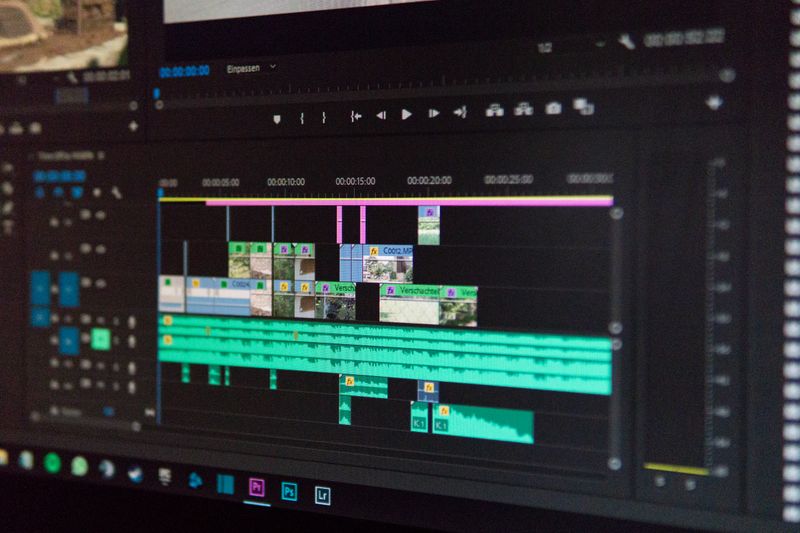
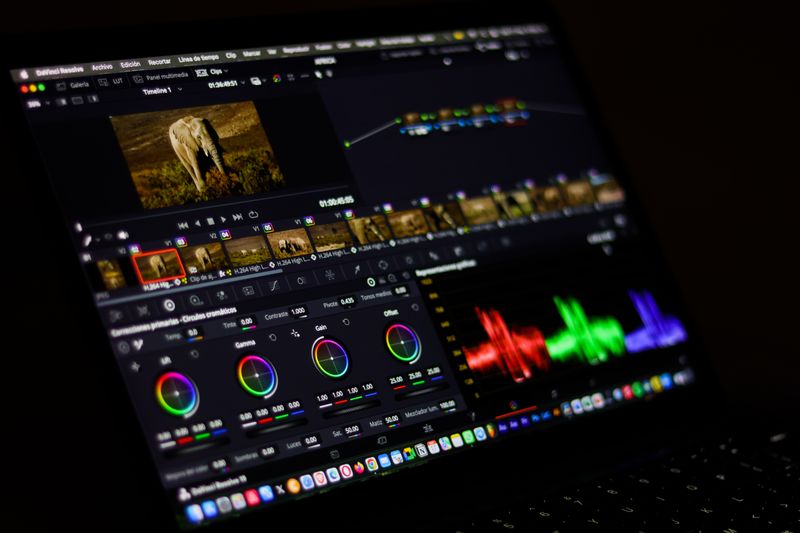
Digital cinematography is shot to be graded, with a flat capture that carries information rather than a finished look. The final contrast, colour and even apparent light direction are set in post-production. This is why the look of contemporary films is discussed as a grade rather than as a stock, and why complaints about a uniform look are really about grading fashion.
It also relocates authorship, because decisions a cinematographer once fixed permanently on set with lamps and filters are now made months later in a suite, which is why reference material and a look are agreed in writing before a frame is shot.
Motivation is the invisible rule
Naturalistic lighting justifies every source with something in the scene — a window, a lamp, a fire. Audiences do not consciously track this and do notice when it is absent, which registers as artificial.
Breaking motivation deliberately is a strong stylistic move, used most obviously in musicals and expressionist work. The working trick is that the visible source almost never provides the light attributed to it: a table lamp in shot is far too dim to expose a face and is being matched by a much larger unit standing outside the frame.
Release strategies shift between territories, so your experience may differ.
Lighting is a scheduling problem before it is an aesthetic one
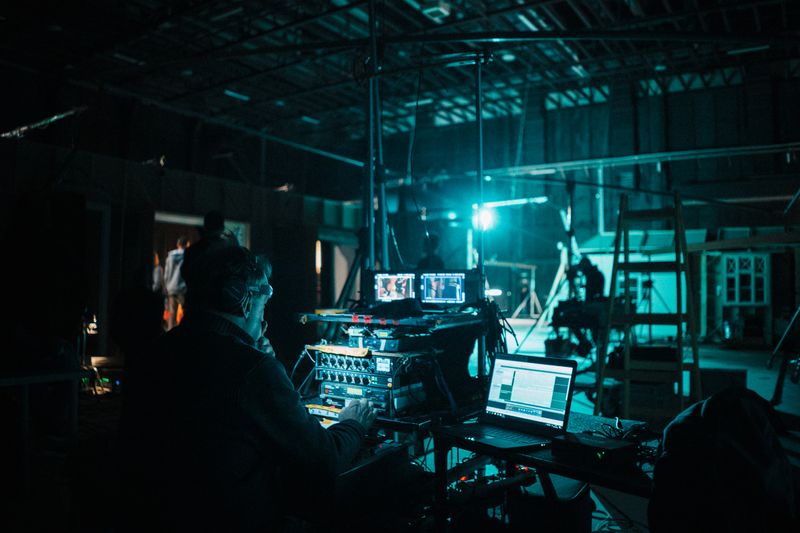
Rigging is the slowest part of a shooting day, so the order scenes are shot in is dictated largely by which setups can share a lighting state. This is a substantial reason films are shot out of sequence, and why two scenes that play minutes apart may have been photographed weeks apart. Daylight exteriors compress the whole problem into the window where the sun stays consistent, which is where both the pressure to shoot fast and the temptation to fix it later in the grade come from.
By the second act, keeping light continuous across those gaps is somebody's full-time job, and the failures that survive into a finished film are usually shadows that fall the wrong way between two shots of the same conversation.
The takeaway
Notice which part of the frame is brightest. That is the decision being made for you.
Craft is the part that keeps working after the surprise has gone.
Questions readers ask
Why are so many recent films dark?
A mix of naturalistic lighting, wide dynamic range in capture, grading fashion and home displays that cannot reproduce shadow detail. The last of these accounts for a lot of it.
What does a colourist actually do?
Sets the final contrast, colour balance and look, shot by shot, ensuring consistency across scenes shot days or months apart, and shaping where the eye goes.