Craft
Most visual effects work is invisible, and that is the job
The shots that get discussed are rarely the shots that consumed the schedule. Removing things takes longer than adding them.
Comparisons of visual effects usually pick a winner. This one picks the circumstances, which is more useful.
The difference in one place
- A large share of effects work is removal and extension rather than creatures.
- Compositing fails at edges, contact points and light, not at the model.
- Effects sit last in the schedule and absorb every delay upstream.
The unglamorous majority
Wire removal, rig removal, set extension, sky replacement, crowd duplication and cleaning modern objects out of period streets account for an enormous volume of effects work. Split-screen composites that combine two halves of different takes of the same performance are routine, and nobody is meant to see them.
Films with no marketed effects content frequently carry hundreds of shots of this kind. The public perception of effects as spectacle is drawn entirely from the small proportion designed to be noticed.
Compositing decides whether it works
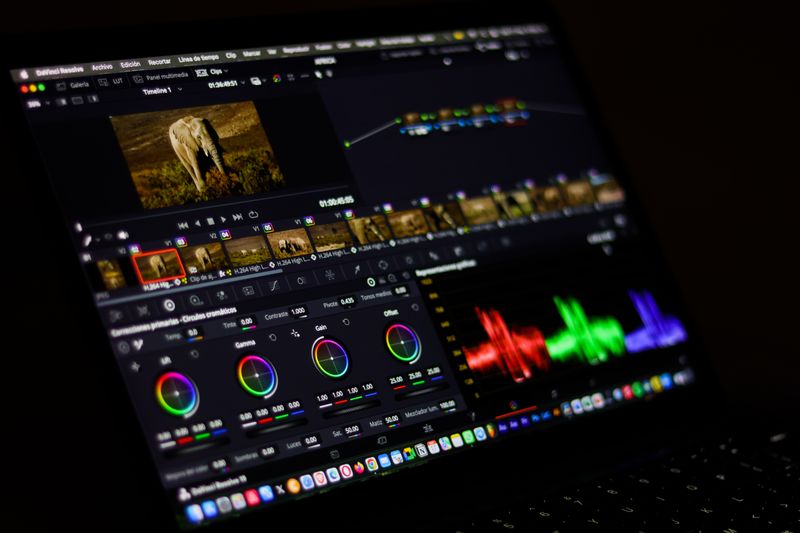
The skill that makes a digital element sit in a frame is matching grain structure, black levels, edge softness, motion blur and lens distortion to the plate. A perfectly built model composited without those matches reads as pasted on, which is what audiences are actually detecting when they call something fake.
This is why the same asset can look convincing in one shot and wrong in the next. Compositors are the last hands on a shot and carry most of the responsibility for whether it is believed.
The bidding model creates the squeeze
Vendors generally bid a fixed price against a shot list and complexity estimate produced before the film is edited. Creative iteration after that point is either absorbed by the vendor or charged as change orders, and the negotiation over which is constant. A fixed bid combined with an open-ended revision process is a structural mismatch rather than a management failure.
It is the root of most reporting about conditions in effects houses.
Practical and digital are not rivals
Physical elements are frequently shot to be used as reference, as plates or as part of the final composite rather than replaced by digital versions. Interactive lighting on set — a flame, a flash, a moving practical source — is what makes a digital element look present in the room. Productions that plan effects during the shoot rather than after it get better results for the same money.
The framing of practical against digital treats them as alternatives when almost every finished shot is a blend.
Why a shot reads as wrong
The most common failures are contact shadows, scale cues and motion that carries no weight, because audiences read mass from acceleration and settle. Camera behaviour that is too smooth or too perfectly framed also flags a shot as synthetic, which is why virtual cameras are given imperfections deliberately.
Faces are the hardest case, because human perception is specialised for them and tolerance for error is near zero. None of these are resolution problems, which is why more detail rarely fixes a shot that feels wrong.
Craft credits are collaborative, and attributing a choice to one department oversimplifies it.
Schedule pressure is the real constraint
Effects work begins only when the edit is stable and ends at a fixed delivery date, so every delay earlier in production is absorbed at the end. Editorial changes after shots are in progress mean paid work is thrown away, and this happens on most large productions.
Locking picture earlier is the single change that most improves both quality and working conditions. Where the schedule is protected, the same artists produce work that is visibly better.
Side by side
| Consideration | What it means in practice |
|---|---|
| The unglamorous majority | A large share of effects work is removal and extension rather than creatures. |
| Compositing decides whether it works | Compositing fails at edges, contact points and light, not at the model. |
| The bidding model creates the squeeze | Effects sit last in the schedule and absorb every delay upstream. |
The takeaway
The effects you did not notice were the expensive ones.
Watch the transitions. That is where the argument of a film usually is.
Questions readers ask
Are effects worse than they used to be?
You are comparing a large volume of routine work against a small number of remembered highlights from earlier eras. Schedule compression is a real and documented pressure, but the survivorship bias in the comparison is substantial.
What is a plate?
The photographed footage a shot is built on — typically the live-action element that digital work is composited into or onto.