Series
Multi-camera comedy is a different machine from single-camera
Two production models, two performance styles, two economies. The choice is made before a word is written and it determines almost everything after.
There is a settled way of talking about comedy production formats. It is worth asking how much of it survives contact with the detail.
The argument in brief
- Multi-camera shoots continuously on a stage, often before an audience.
- Single-camera shoots like film, one setup at a time, with no live response.
- The formats produce different writing, performance and cost structures.
Multi-camera is theatre with cameras
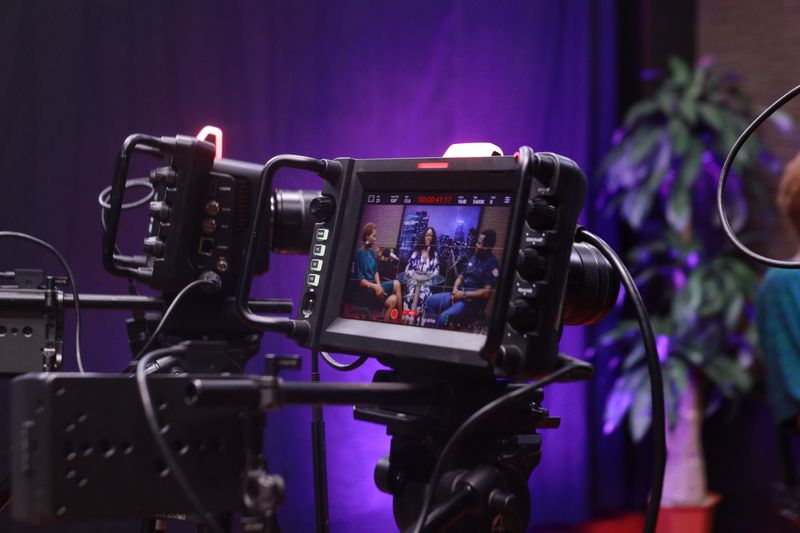
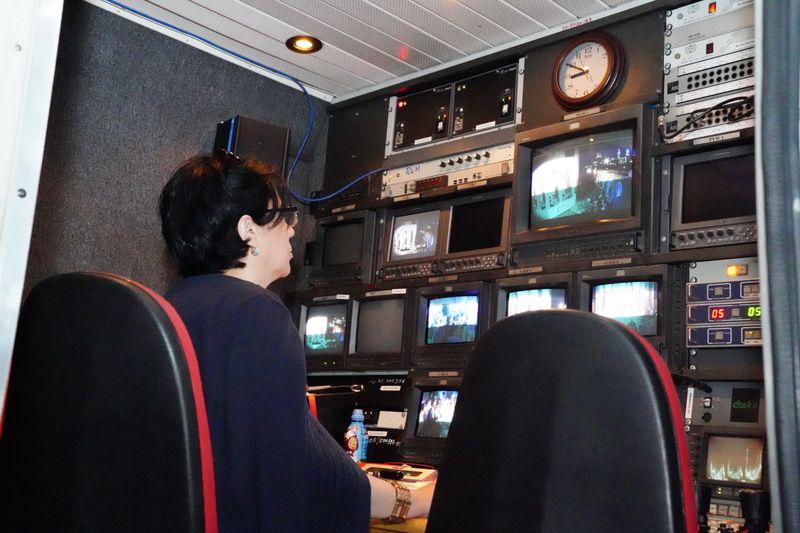
Several cameras record simultaneously on standing sets, so a scene is captured in full performances rather than assembled from setups. That allows a week of rehearsal culminating in a shoot night, which is a rhythm closer to stage than to film. Rewriting happens across the week in response to what plays, which is a fast and effective feedback loop.
The efficiency is substantial: a full episode can be shot in a single evening.
A live audience is a measuring instrument
Performing to a room provides immediate, unambiguous information about whether a joke works. Performers adjust timing to laughter in real time, which cannot be replicated afterwards.
In the edit, material that fails can be rewritten and reshot the same night, which no other television format permits. The trade is that performances are calibrated for a room and can read as broad on a small screen.
Single-camera moved comedy toward film grammar
Shooting one setup at a time allows location work, visual jokes, montage and any camera language a film could use. It removes live feedback entirely, so timing is determined by the editor and the director rather than by an audience.
This produces a drier register and permits comedy that depends on framing or cutting rather than on delivery. It also costs considerably more per minute and takes far longer to shoot.
The formats need different writing
Multi-camera writing is dense in dialogue, built on entrances, exits and setups within a handful of rooms. Single-camera writing can be sparse on the page and carry jokes in staging, reaction and juxtaposition. Writers moving between them describe having to relearn where the joke lives.
Neither is a simplified version of the other; they are separate disciplines.
The laugh track argument is really about calibration
Recorded or sweetened laughter substitutes for the live audience the performances were built for. Where performances were calibrated to a room, removing the laughter leaves gaps the timing assumes.
What the cut is doing: where laughter is added to material not performed that way, it reads as an instruction and audiences resent it. The complaint is usually about mismatch rather than about the presence of laughter itself.
Craft credits are collaborative, and attributing a choice to one department oversimplifies it.
The economics explain the survival of both
Multi-camera remains dramatically cheaper per episode and can produce long orders quickly, which suits broadcast and syndication. Single-camera suits prestige positioning and shorter orders, and travels better as a catalogue title. Both continue to be commissioned because they serve different commercial functions.
What the cut is doing: pronouncements that one format is dead have been made repeatedly and have not aged well.
The takeaway
The format was chosen first. Everything you notice about the comedy follows from it.
Watch the transitions. That is where the argument of a film usually is.
Questions readers ask
Why does multi-camera comedy look different?
It is shot on standing sets with several cameras at once, lit flatly so all angles work simultaneously. The look follows from the production method.
Is a live audience the same as a laugh track?
No. A live audience changes the performances in real time. Added laughter is applied afterwards to material not calibrated for it, which is why the two feel different.