Streaming
Skip Credits Changed What End Credits Are For
Interfaces that jump straight to the next episode have removed the pause after a programme, altering how endings are constructed and where credited work is seen.

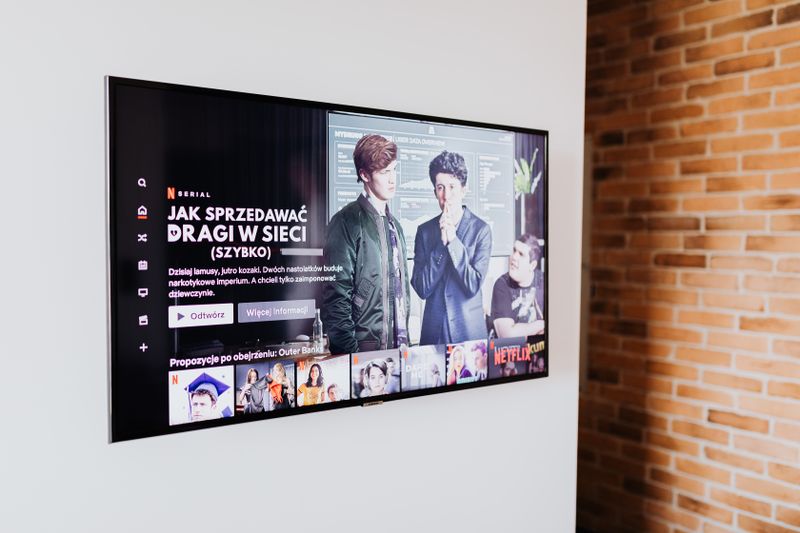
Streaming interfaces compress end credits into a corner and offer the next episode immediately. That change has affected how programmes end and how the people listed in the credits are recognised.
The pause after a programme has gone
Broadcast endings were followed by credits playing at full size, which gave the audience a period to absorb what they had watched before anything else began.
Automatic continuation removes that period. The next episode starts while the previous one is still resolving, and the transition happens without a decision.
Because the interface treats the ending as an interruption to viewing, the deliberate deceleration that endings traditionally provided has nowhere to occur.
Endings are written differently
Writers responding to continuous viewing tend to end on momentum rather than closure, since the audience is expected to continue immediately.
The final beat has to work in the seconds before the interface intervenes, which favours a clear hook over a lingering image.
Some productions place material after the credits to give viewers a reason to stay, which is itself a response to the assumption that they will not.
Credited work becomes harder to see
Crew credits are the record of who made something, and they are used to demonstrate experience when seeking further work.
Shrinking them to a thumbnail while a promotion plays over the top makes that record difficult to read, which is why the practice has been raised repeatedly by industry organisations.
Some services now present credits at full size, or delay the next episode, though the behaviour still varies between applications and devices.
Autoplay changes measured behaviour
A viewer who continues automatically registers as having chosen to watch another episode, even though no choice was made.
That inflates the appearance of engagement for shows whose viewers simply did not intervene, and it makes drop-off harder to interpret.
Services are aware of this and separate deliberate starts from continued playback internally, but externally reported figures rarely make the distinction.
The credits still have obligations attached
Contracts specify credit placement, size and duration, and those obligations were written for a full-screen presentation.
Reducing the display does not remove the requirement, which has made the treatment of credits a live contractual question rather than an interface preference.
The unresolved tension is that the service optimises for continued viewing while the credits exist to be read, and those two purposes cannot both be served in the same seconds.
Questions readers ask
Why can I never find older films on a service that has them?
Usually thin metadata. Older licensed titles often carry only a synopsis and a genre, so the recommendation system has almost nothing to work with.
Are recommendations based on the film itself?
No. They are based on structured descriptions of it plus viewing behaviour. The system has no direct access to what the film is actually like.