Streaming
The Home Screen Is A Shelf And Shelf Space Is Finite
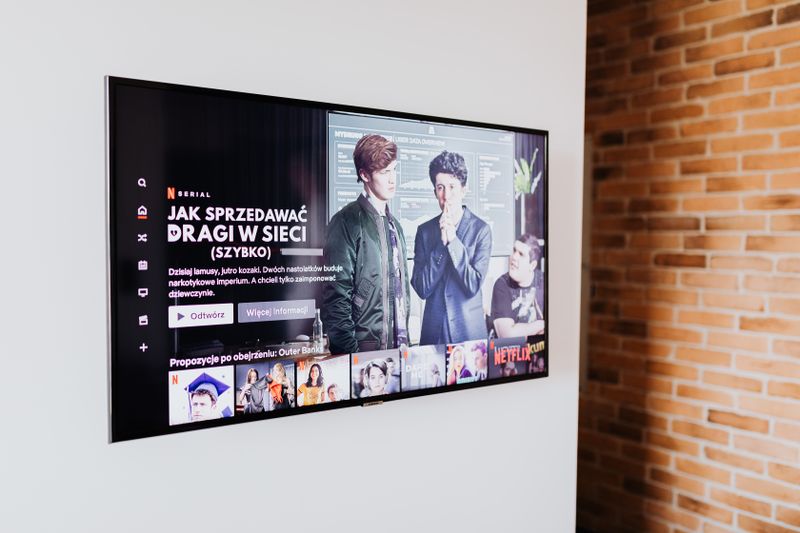
A service's interface can present only a fraction of its catalogue at once, so placement on the opening screen is the scarcest resource a title can be given.

A streaming catalogue may hold thousands of titles, but an opening screen displays perhaps a few dozen. That gap makes placement the decisive factor in whether a title is ever seen.
Visibility is concentrated at the top
Attention falls away sharply as viewers scroll, so the first row and the large banner above it account for a disproportionate share of what gets started.
The consequence is that a title placed several rows down is effectively invisible to anyone not searching for it directly.
This is why placement is negotiated in licensing deals, and why a service's own productions occupy the positions where attention actually is.
Rows are editorial decisions
The groupings a viewer sees are constructed, combining automated recommendation with categories chosen by people to promote particular titles.
A category can be created specifically to give something a home, which is how a title with no obvious audience is presented as belonging somewhere.
Row order is also personalised, so the same rows appear in different sequences for different viewers, which changes what each person effectively has access to.
Presentation is tested continuously
Services run comparisons on artwork, titles of rows, ordering and the size of elements, measuring which arrangements produce more starts and more completed viewing.
Because these tests run constantly and simultaneously, the interface a viewer sees is one of many variants rather than a single designed product.
Optimisation targets whatever the service currently values, which may be immediate engagement, completion, or the promotion of titles it owns outright.
Search only helps those who know
Viewers who know what they want can find it, but that describes a minority of sessions. Most viewing starts from what was presented rather than from an intention.
This makes discovery a supply problem rather than a demand one, since a title nobody has heard of cannot be searched for.
It also means metadata quality determines whether a title can be surfaced at all, because rows are assembled from attributes the system holds about each item.
Scarcity shapes commissioning
If only a limited number of titles can be promoted meaningfully, a service benefits more from a few large ones than from many modest ones.
That logic pushes towards fewer, bigger commissions and towards titles with a clear identity that can be communicated in a single image.
The result is a catalogue with a large tail nobody sees, maintained partly because breadth is a selling point even when depth cannot be surfaced.
Questions readers ask
Why can I never find older films on a service that has them?
Usually thin metadata. Older licensed titles often carry only a synopsis and a genre, so the recommendation system has almost nothing to work with.
Are recommendations based on the film itself?
No. They are based on structured descriptions of it plus viewing behaviour. The system has no direct access to what the film is actually like.