On Screen
Fear is built from anticipation, and the reveal spends it
Horror technique is mostly about controlling what the audience expects and when. The monster is the least interesting part of the machine.
Everything here earned its place by changing an outcome. Nothing about horror technique is included to round the number up.
What matters most
- Dread comes from anticipation; a jump scare is a startle reflex, not fear.
- Sound does a large share of the work, especially below conscious attention.
- Showing the threat converts uncertainty into a known quantity.
Startle and dread are different responses
A sudden loud sound produces an involuntary physiological startle that anyone will experience regardless of whether they are engaged. Dread is a sustained cognitive state built by giving the audience reason to expect something and withholding it.
Films relying on startle produce reliable reactions in a cinema and very little that persists afterwards. The distinction explains why audiences describe some films as scary and others as merely loud.
Uncertainty is the resource
Before a threat is defined, the audience supplies their own worst version, which is by definition tailored to them. Revealing it substitutes a specific thing, which is always less frightening than an unbounded possibility. This is why the structure of most effective horror delays and rations disclosure rather than concealing forever.
Complete concealment has its own cost, since an undefined threat eventually stops escalating.
Sound sets the body's expectation
Low frequencies below clear conscious identification produce unease, and rising tones create expectation of an event. Removing sound before an impact heightens the contrast, and audiences physically brace during the silence.
In practice, much of what viewers attribute to imagery in horror is being delivered by the mix. Watching a horror sequence muted is a useful demonstration of how much collapses.
Frame space does the anticipation
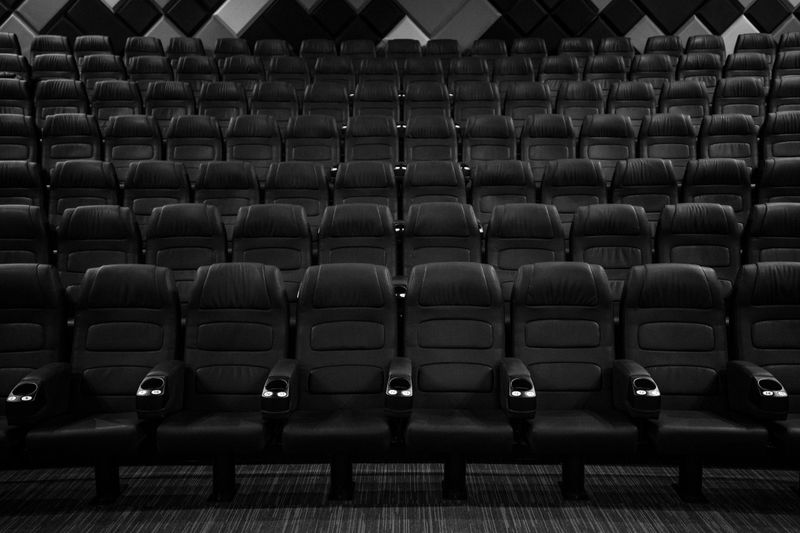
Leaving empty space in a frame where something could appear creates attention on nothing, which is a very efficient tension device. Holding a shot longer than the audience expects converts that space into pressure without an event occurring.
The technique costs nothing and requires confidence, since the temptation is always to cut. It is the clearest example of horror being a rhythm discipline rather than an effects one.
Rules make a threat frightening
A threat with knowable rules allows characters to plan, which lets the audience anticipate failure and generates suspense. A threat with no rules produces events rather than tension, because nothing can be predicted or feared specifically.
In practice, this is why the mid-film discovery of how something works is a structural staple rather than an exposition problem. The rules also create the possibility of a violation, which is where the strongest moments come from.
Release strategies shift between territories, so your experience may differ.
The genre is economically privileged
Horror is made cheaply relative to its potential returns, which is why it remains one of the most reliable routes to a first feature. That economic position produces both a high volume of derivative work and unusual freedom for distinctive voices. Both effects are consequences of the same low barrier rather than statements about the genre.
By the second act, it also means horror is where technique gets developed and then imported into other genres.
Everything above, in order of what to do first
- Startle and dread are different responses. A sudden loud sound produces an involuntary physiological startle that anyone will experience regardless of whether they are engaged.
- Uncertainty is the resource. Before a threat is defined, the audience supplies their own worst version, which is by definition tailored to them.
- Sound sets the body's expectation. Low frequencies below clear conscious identification produce unease, and rising tones create expectation of an event.
- Frame space does the anticipation. Leaving empty space in a frame where something could appear creates attention on nothing, which is a very efficient tension device.
- Rules make a threat frightening. A threat with knowable rules allows characters to plan, which lets the audience anticipate failure and generates suspense.
- The genre is economically privileged. Horror is made cheaply relative to its potential returns, which is why it remains one of the most reliable routes to a first feature.
The takeaway
Count how long the film holds an empty frame. That is where the fear is being made.
Craft is the part that keeps working after the surprise has gone.
Questions readers ask
Are jump scares lazy?
They produce a reliable startle reflex, which is a real effect and a shallow one. They become a problem when they substitute for the anticipation that creates lasting dread.
Why is a threat scarier before you see it?
Because the audience supplies an unbounded version tailored to their own fears. A revealed threat is specific, and specific has limits.