Archive
Orphan films are the ones nobody has the legal standing to save
A large body of film survives physically and cannot be restored or shown because no one knows who owns it. Copyright outlives the companies that held it.
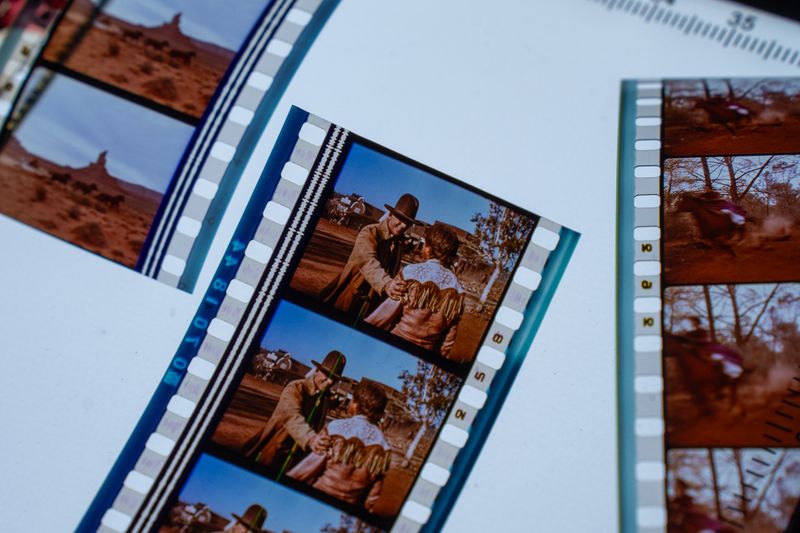
This looks at orphan films from the practical end — what holds up once conditions stop being ideal.
What holds up in practice
- An orphan work is one whose rights holder cannot be identified or located.
- Archives risk liability by publishing works they cannot clear.
- Home movies, industrial films and newsreels make up much of the category.
The problem is identification, not ownership
Copyright persists whether or not anyone is exercising it, so a film with an untraceable owner is still protected. An archive that digitises and publishes it takes on a risk that a claimant may later appear. Institutions with limited budgets reasonably decline that risk, so the material stays on a shelf.
The work is preserved and inaccessible, which is the specific and frustrating shape of the orphan problem.
Company records are the weak link
Production companies dissolve, merge and sell libraries, and paperwork is lost long before the film stock is. Chain of title — the documented sequence of who transferred what to whom — is what clearance depends on, and it breaks easily. A single missing assignment document decades ago can render a film unusable today.
This is an administrative failure with a permanent cultural consequence.
The category is broader than features
Home movies, advertising, industrial and training films, regional newsreels and amateur documentary make up an enormous share of surviving footage. These are frequently the only moving images of particular places, workplaces and communities.
In practice, they also have the weakest ownership records, since nobody expected them to matter. The historical value of the category is inversely related to how well its rights are documented.
Legal solutions exist and are partial
Several jurisdictions have introduced diligent-search schemes or extended collective licensing allowing use after a documented attempt to find the owner. These vary substantially in scope, cost and whether they cover digitisation, publication or both. Take-up has been limited in some systems because the required search is itself expensive.
Check your national position rather than assuming any general rule applies.
Archives act anyway, carefully
Institutions frequently preserve and catalogue material they cannot publish, on the reasoning that preservation is urgent and access can wait. Some publish with clear takedown commitments, accepting a managed risk in order to make work visible.
On screen, that approach has been effective at surfacing rights holders, since publication is often what causes them to appear. It is a pragmatic response to a legal framework that was not designed for this situation.
Budgets and schedules here are reported rather than confirmed, and studios rarely correct them.
Time is the constraint
Physical elements degrade on a schedule that does not pause for legal uncertainty. Material that cannot be cleared today may be unrecoverable by the time a framework exists to clear it. This is why archivists treat the orphan problem as urgent rather than as an administrative annoyance.
The cost of delay is paid in permanent loss rather than in inconvenience.
The takeaway
The film survives. The paperwork did not. That is enough to keep it hidden.
The trailer sells a premise. The film has to survive its own middle.
Questions readers ask
What is an orphan film?
A film still under copyright whose rights holder cannot be identified or located. It cannot be legally published, so it stays inaccessible even when physically preserved.
Can archives just publish them anyway?
Some do, with documented searches and takedown commitments, accepting managed risk. Several jurisdictions offer diligent-search schemes, though scope and cost vary widely.