Archive
A great deal of early cinema simply does not exist any more
Loss on this scale was not an accident of neglect alone. Film was destroyed deliberately, for storage costs, silver recovery and the belief that old films had no value.
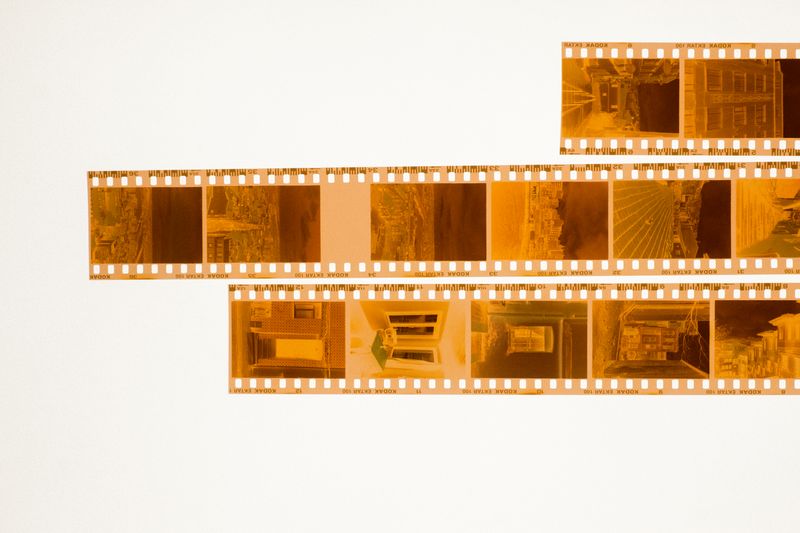
What follows is the working version of lost films: the decisions in the order you actually meet them, with the reasoning attached.
Before you start
- Archives and historians estimate that a majority of silent-era films are lost.
- Studios destroyed prints and negatives for storage cost and material recovery.
- Films continue to be rediscovered in foreign archives and private collections.
Deliberate destruction did most of the damage
Film held no library value in an era before television, reissue or home viewing, so storing it was a cost with no offsetting revenue. Prints were destroyed to recover silver, to clear vault space and because nitrate storage carried fire risk and insurance cost.
Studio fires destroyed further large quantities, and unstable stock made those fires unusually destructive. The scale of loss reflects a rational commercial judgement made before anyone had a reason to think otherwise.
The numbers are estimates and consistently grim
Surveys by archives and film historians have consistently concluded that a majority of films from the silent era no longer survive in any form. Estimates vary by country, by period and by methodology, and none of them are reassuring.
In the edit, survival is better for prestigious productions and worse for shorts, regional production and anything considered disposable. That bias means what survives is not a representative sample of what was made.
Rediscovery still happens
Prints continue to be found in overseas archives, in collectors' holdings, in projection booths and in miscatalogued boxes. Export prints ended up far from where films were made and sometimes survived when domestic copies did not.
By the second act, finds are frequently incomplete, in other languages or in alternate versions, which raises its own restoration questions. The steady rate of recovery is a good argument for continuing to fund cataloguing work.
Incomplete survival is the common case
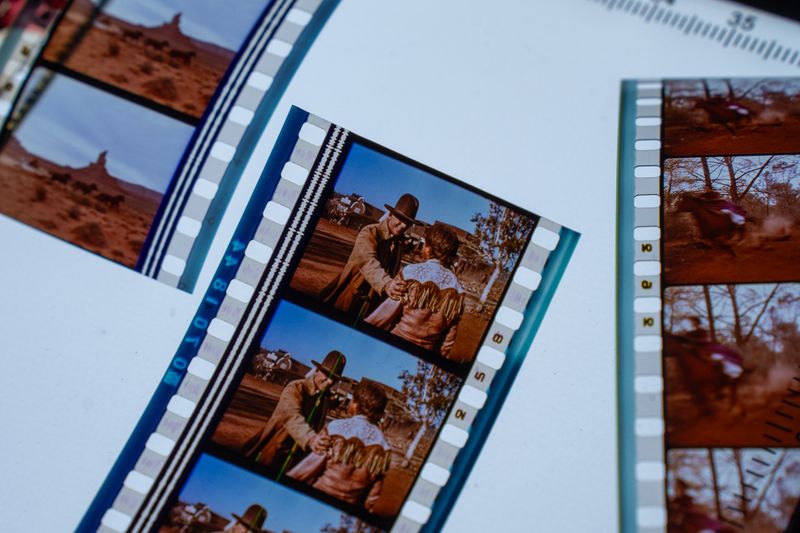
A great many titles survive only as fragments, single reels, trailers or stills. Reconstructions assembled from multiple partial sources, still photographs and scripts are a recognised archival practice. They are presented as reconstructions rather than as the film, which is an important distinction that packaging sometimes blurs.
A fragment is still evidence, and archives treat it accordingly.
Television repeated the mistake
Broadcast material was wiped or discarded for decades, because videotape was expensive and reuse was standard practice. Large quantities of early television exist only as off-air audio recordings or as film recordings made for overseas sale.
The same commercial logic applied: no expectation of future value, and a real cost to storage. It is a useful reminder that the loss was systemic rather than characteristic of one medium.
Craft credits are collaborative, and attributing a choice to one department oversimplifies it.
The lesson is about current formats
Every generation assumes its storage is adequate and that current material obviously has value. Born-digital production assets, streaming-exclusive titles and platform-hosted work carry comparable risks under different mechanisms. Nothing guarantees that a title available only through a service will be recoverable when the service is not.
The historical pattern is that loss looks obvious only in retrospect.
The takeaway
Most of the first decades of cinema are gone. What survives is not a fair sample.
The trailer sells a premise. The film has to survive its own middle.
Questions readers ask
Why were so many old films destroyed?
They had no library value before reissue and home viewing existed, storage of unstable stock cost money and carried fire risk, and prints could be processed to recover silver.
Are lost films still being found?
Regularly. Export prints in overseas archives, collectors' holdings and miscatalogued material continue to yield recoveries, often incomplete or in alternate versions.