Archive
Public domain is a date, and the date is not the same everywhere
Whether a film is free to use depends on where you are, when it was made, whether formalities were observed and what else is embedded in it.
This looks at public domain film from the practical end — what holds up once conditions stop being ideal.
What holds up in practice
- Copyright terms differ by country and by the era a work was made in.
- A public-domain film can contain music or footage that is still protected.
- Restorations and new elements can carry their own separate rights.
Term depends on jurisdiction and era
Duration of copyright has been extended repeatedly and differs between countries, so the same film can be free in one place and protected in another. Older systems required registration and renewal, and works that missed those formalities entered the public domain early. This produces genuinely inconsistent results that cannot be reasoned out from first principles.
Any confident general statement about whether a film is free should be treated with suspicion.
The film is not the only work in the film
Underlying material — a novel, a play, a musical composition, a specific recording — can remain protected after the film itself is free. Using the film can therefore infringe rights in something it contains, which surprises people relying on a public-domain label. This layered structure is the single most common trap in reusing older material.
What the cut is doing: it is also why some public-domain titles circulate with music replaced.
Restorations can attract new rights
Depending on jurisdiction, a new restoration, a new score or newly created elements may attract their own protection. That does not remove the underlying film from the public domain; it means a specific version may not be free to copy. The position varies considerably between legal systems and is genuinely contested in some.
Distinguishing the work from the particular edition is the essential move.
Free availability drove strange survival patterns
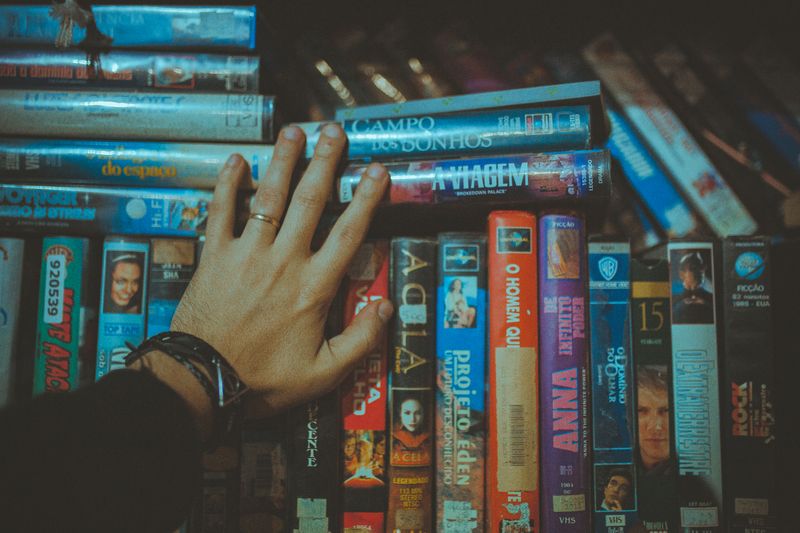
Public-domain titles were duplicated endlessly onto cheap tape and disc, frequently from poor sources, so they became widely seen in terrible quality. Some well-known films acquired a reputation for looking bad purely because free copies were the ones circulating. Good restorations of the same titles frequently exist and are much less widely encountered.
Availability and quality are inversely related in this corner of the catalogue.
It is an archival opportunity
Freedom from clearance lets archives and volunteers digitise, host and annotate material without the legal work that blocks orphan films. Substantial online collections of public-domain film exist and are among the most useful resources for anyone studying early cinema.
Quality varies enormously, so provenance information matters when choosing a copy. The best of these collections document their sources, which is what separates an archive from an upload.
Check before you rely on it
Status depends on country, on the specific version and on embedded material, and errors carry real consequences for anyone publishing. National libraries, archives and rights organisations publish guidance for their own jurisdictions.
For anything commercial, take advice locally rather than relying on general summaries, including this one. The honest position is that this area is complicated by design and varies more than people expect.
The takeaway
Public domain is a status, in one country, for one version. Check all three.
Craft is the part that keeps working after the surprise has gone.
Questions readers ask
If a film is public domain, can I use any part of it?
Not necessarily. Underlying works such as music, novels or licensed footage can remain protected, and a particular restoration may carry its own rights. Status also varies by country.
Why do public-domain films often look so poor?
Because free availability led to endless copying from whatever source was to hand. Better restorations frequently exist but circulate far less widely.