Archive
Preservation is a refrigeration problem before it is a scanning problem
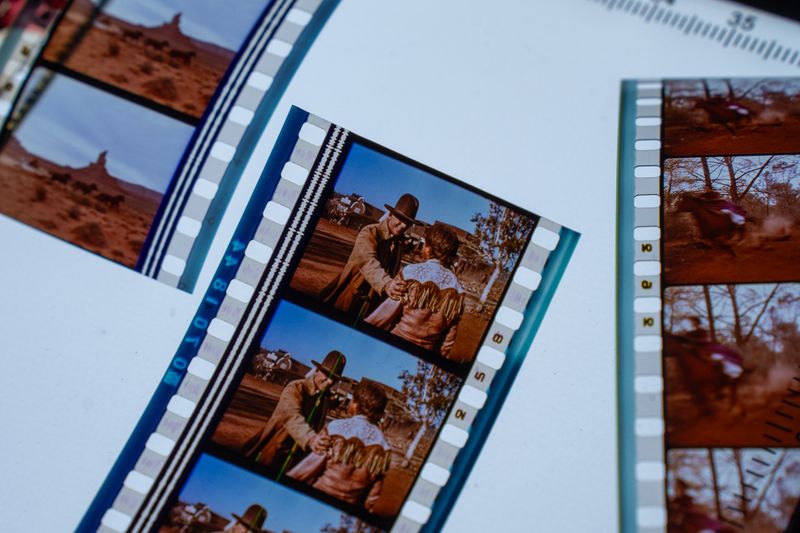
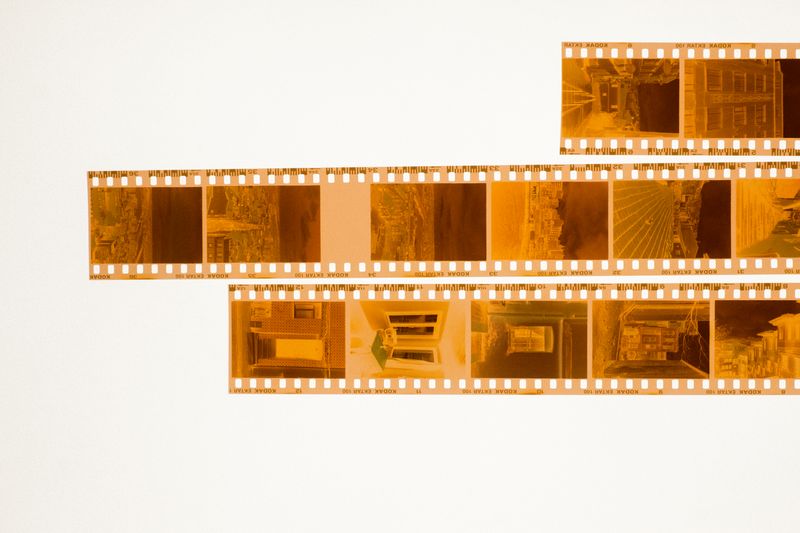
Digitising a film does not preserve it. Keeping the original element cold, dry and stable is what buys the decades in which better scans become possible.
There is a short answer about film preservation and a useful one, and they are not the same. What follows is the useful one.
The short version
- Cold, low-humidity storage dramatically slows chemical decay of film.
- Digital files require active management and are not a set-and-forget copy.
- The original element remains the highest-quality source available.
Chemistry runs slower when it is cold
Decay in film base and dyes is a chemical process, and reaction rates fall substantially at lower temperatures and humidity. Purpose-built cold storage can extend the usable life of an element by a large multiple compared with room conditions.
This is the single highest-return intervention in film preservation and the least visible. It is also expensive to build and boring to fund, which is a poor combination.
Vinegar syndrome is a chain reaction
Acetate film base degrades by releasing acetic acid, which accelerates further degradation and spreads to neighbouring reels. Once it begins in earnest the element shrinks, buckles and becomes unprintable, and the process cannot be reversed. Detection strips and regular inspection allow affected material to be isolated and prioritised for copying.
Storage conditions determine whether this happens in decades or in years.
Nitrate is a separate and more dramatic case
Early film base was chemically unstable and flammable, and a great deal of early cinema was lost to fires and to deliberate disposal. Surviving nitrate is stored under strict conditions in dedicated vaults and is handled by specialists.
On screen, it also has genuine image qualities that later stocks do not fully reproduce, which is why archives preserve it rather than only copying it. It is the clearest case where the artefact and the content are not the same thing.
Digital copies are a maintenance commitment
Files require checksums, redundant copies, periodic verification, migration to new formats and functioning institutional memory. A drive on a shelf is not preservation; it is deferred loss with a shorter fuse than film. Archives run active management programmes for exactly this reason, and organisations without them lose data quietly.
The failure mode is silent, which makes it more dangerous than visible physical decay.
Born-digital material has its own gaps
Production files, effects assets, project files and camera originals depend on software and formats that become unreadable. Some material from the early digital era is already difficult to access despite being far newer than surviving nitrate. Standardised archival formats exist and are not universally used, particularly outside major studios.
What the cut is doing: this is a live problem rather than a future one.
Budgets and schedules here are reported rather than confirmed, and studios rarely correct them.
Rescanning is why originals matter
Scanning technology improves, so a film scanned at the standards of one decade is worth rescanning in the next. That is only possible if the original element still exists in good condition.
By the second act, treating a digitisation as the end of the job is how organisations end up with a permanent ceiling on quality. The element is the master; the file is the current best reading of it.
The takeaway
The vault does more for a film than the scanner. It just never gets a press release.
The trailer sells a premise. The film has to survive its own middle.
Questions readers ask
Is scanning a film the same as preserving it?
No. Scanning produces a copy at current standards. Preservation means keeping the original element stable so it can be rescanned better later, and actively managing the digital files.
What is vinegar syndrome?
Chemical degradation of acetate film base that releases acetic acid, accelerates itself and spreads to nearby reels. Cold, dry storage slows it dramatically; nothing reverses it.