Craft
Making one afternoon last a week of shooting
Sunlight moves, weather changes and a scene has to appear to happen in a single continuous stretch of daylight. Managing that is a scheduling problem before it is a lighting one.
There is a short answer about daylight continuity and a useful one, and they are not the same. What follows is the useful one.
The short version
- Exterior scenes are often shot across several days that must appear to be one.
- Overcast light is easier to match but harder to make dramatic.
- Grading can adjust colour and level but cannot move a shadow.
The sun is a light nobody can reposition
An exterior conversation might occupy three minutes of screen time and take two days to shoot, during which the sun crosses a substantial part of the sky. Shadow direction, shadow length and colour temperature all shift continuously, and each of them is visible in a wide shot of a face.
Because reverse angles point in opposite directions, one performer can be backlit while the other is frontally lit within the same conversation. Crews therefore plan which direction they shoot at which hour, treating the sun as a fixed schedule rather than a variable to be corrected. A scene that is shot in the wrong order against the light produces a sequence that cuts badly no matter how good the performances are.
Overcast is a gift and a trap
A thick even cloud layer removes shadow direction entirely, which makes matching across hours and days far easier than it is in direct sun. The cost is that flat light produces flat faces, so a scene shot that way often needs shaping with bounce, negative fill or a supplementary source. Broken cloud is the worst case, because light level swings between takes and the same line can be sunny in one angle and grey in the next.
Crews watch the sky rather than the schedule on such days, shooting whichever angle the current condition suits and reordering the plan repeatedly. This is one of the reasons exterior days carry contingency in a budget while stage days generally do not.
Adding light outdoors is a question of scale
Competing with sunlight requires large sources, big reflectors or enormous diffusion frames flown above the performers to soften what is already there. A common approach is to shade the acting area with a large silk and then relight it in a controlled way, which effectively builds an interior outdoors.
What the cut is doing: bounce boards and mirrors redirect existing sunlight rather than generating more, which is cheaper and moves with the sun in ways that must be tracked. The larger the frame, the more it behaves like a sail, so wind becomes a limiting factor on exactly the days that are otherwise ideal. These rigs take time to build, which is why they appear on scenes judged important enough to justify the loss of shooting hours.
Day for night, night for day, and dusk
Shooting daylight and darkening it in post is an old technique that still works when exposure, colour and reflections are planned for it from the start. The giveaway is usually the sky and the shadows, since a genuinely night-time exterior has neither a bright horizon nor hard directional shadows across a lawn. The reverse case, faking daylight at night on a stage, is common for interiors and depends on convincing window light and a plausible view beyond the glass.
On screen, dusk is the shortest and most contested resource on any schedule, because the usable window lasts minutes and cannot be extended by working faster.
Scenes written for that window are frequently split across several evenings, which returns the production to the matching problem it started with.
Interiors inherit the same problem through windows
A room with visible windows carries the outside condition into the scene, so a stage interior needs a lighting rig that pretends to be a particular time of day. Practical locations are worse, because real windows deliver whatever the weather is doing while the crew shoots for hours in a room that should not change. Common solutions include covering the glass with diffusion or grey material and lighting from outside, which converts an uncontrolled source into a controlled one.
In practice, the colour of the light entering a room also tells an audience the hour, so a warm low angle reads as evening regardless of what the clock in the frame says. When an interior feels subtly wrong, a mismatch between window light and the story time is a frequent cause.
Release strategies shift between territories, so your experience may differ.
What grading can and cannot rescue
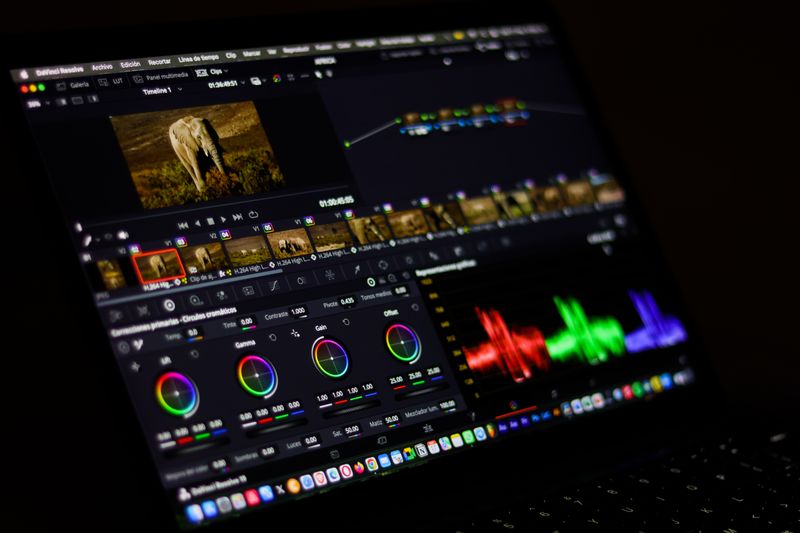
Colour correction can align exposure and colour temperature between shots taken hours apart, and it does this routinely and invisibly on almost every production. It cannot move a shadow, remove a highlight from the wrong side of a face or invent a sky that was not photographed. Windows and skies are often replaced digitally, which works well for a locked-off frame and becomes expensive the moment the camera moves.
The economics push the fix upstream, since an hour spent waiting for the right light is usually cheaper than a week of shot-by-shot repair. Experienced crews therefore treat continuity of light as a planning discipline rather than a post-production one.
The takeaway
Continuity of daylight is bought with the schedule, not fixed with the grade.
Craft is the part that keeps working after the surprise has gone.
Questions readers ask
Why do exterior scenes look inconsistent sometimes?
Because they were shot across hours or days as the sun moved. Shadow direction is the hardest element to match and the one grading cannot correct.
Is overcast weather good or bad for filming?
Even overcast is easy to match and gentle on faces, but it is flat and needs shaping. Broken cloud is the genuinely difficult condition because the level changes between takes.