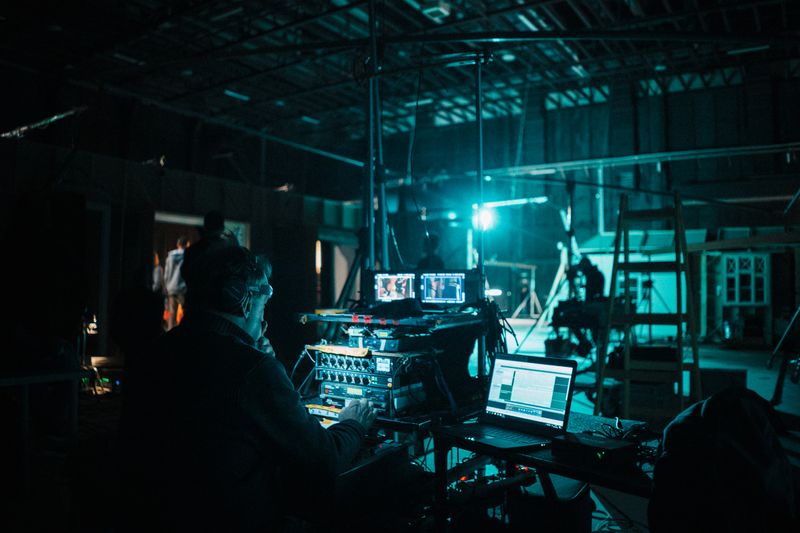
Craft
Second unit is a parallel film with its own director
A large production runs more than one camera crew at once, shooting different material in different places. Matching them is a discipline in itself.
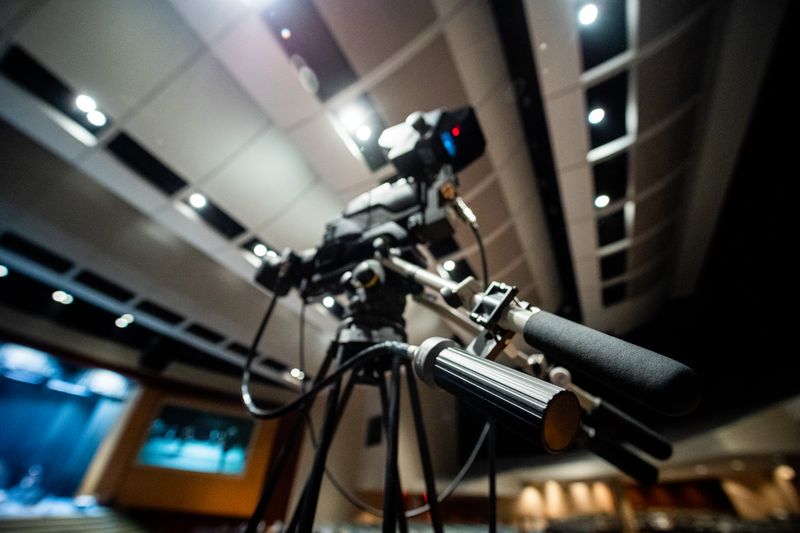
This looks at second unit from the practical end — what holds up once conditions stop being ideal.
What holds up in practice
- Second unit shoots material that does not require the principal cast to perform.
- Splinter units are drawn from the main crew; second units are separately staffed.
- Matching lenses, light and lens height is what makes two units cut together.
Two crews, one film
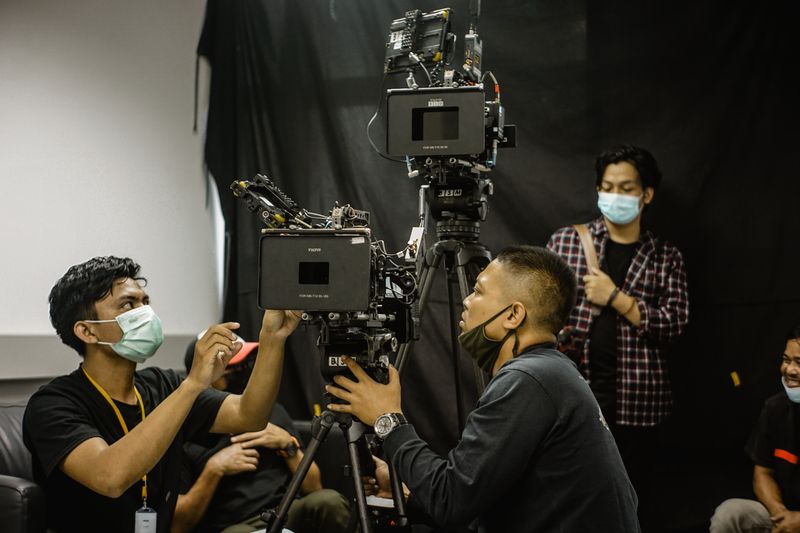
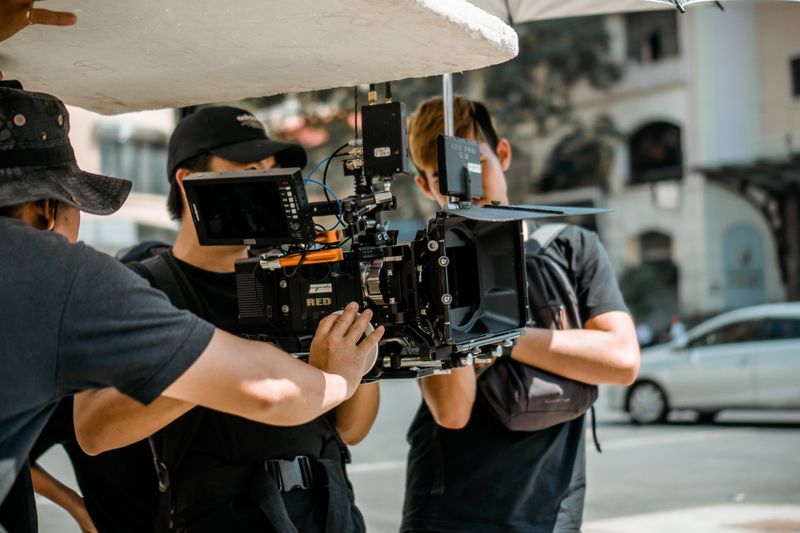
A second unit is a separately staffed camera crew with its own director, working simultaneously with the main unit on material assigned to it in advance. The economics are simple, since a large production burns money per day and running a second crew converts overtime into parallel progress.
What it shoots is decided during prep, and the list normally covers material that does not depend on the principal cast delivering scripted dialogue. Landscapes, establishing shots, vehicles, inserts, doubles, crowd work and much of the physical action typically sit on that list. The unit is not a lower tier of the same job; it is a different job that requires a specific kind of planning.
What can and cannot be handed over
Anything that turns on a performance from a lead actor stays with the main unit, because that is where the director and the performer are working out the scene. Anything where the face is not identifiable, or where a double can carry the action, becomes a candidate for the second unit. Inserts such as hands, objects and screens are cheap to shoot separately and are frequently forgotten until an editor asks for them.
On screen, complex physical sequences often go to a second unit whose director specialises in staging them, and the main unit then shoots the reactions and dialogue around it. The division is drawn scene by scene during prep, and a badly drawn one produces material that cannot be joined in the cut.
Matching is the whole technical problem
Two units shooting the same story have to agree on lens set, filtration, camera height, colour and the direction the light comes from. Small differences that pass unnoticed on set become obvious in the edit, where two shots sit next to each other and one plainly comes from a different afternoon.
In practice, the cinematographer of the main unit usually sets the parameters and the second unit works within them, sometimes with a shared lighting brief written down. Screen direction has to be agreed as well, because a chase assembled from two units can easily reverse the direction of travel between shots. Common practice is to shoot a reference frame at the start of each unit day so that the two streams can be aligned in post.
Splinter units are a different animal
A splinter unit is pulled temporarily out of the main crew to grab something nearby while the principal photography continues elsewhere. It has no permanent staffing and typically exists for an hour or an afternoon, which makes it flexible and unsuitable for anything complicated.
On screen, second units by contrast may run for weeks, sometimes in a different country, with their own schedule, transport and support. Confusing the two leads to underplanned assignments, since a splinter cannot do what a properly resourced second unit does.
On smaller productions the distinction collapses entirely and a single crew does everything, which is one of the real differences between budget levels.
Second unit directors are specialists, not apprentices
The role attracts people with deep experience in staging physical action, coordinating vehicles and shooting coverage that will assemble under an editor who was not present. The skill is thinking in cut material rather than in scenes, because a sequence shot by a second unit is delivered as components that must fit a plan. That means shooting the entries and exits, the wide anchor and the pieces that let an editor change the rhythm later.
In practice, a second unit that shoots beautiful footage with no connective material creates a problem rather than a solution. Experienced ones over-shoot the joins deliberately, on the reasonable assumption that the sequence will change shape after they have gone home.
Budgets and schedules here are reported rather than confirmed, and studios rarely correct them.
Credit and authorship get complicated
Because significant portions of the finished film can originate with another crew, the question of who directed what has never had a tidy answer. Credit conventions vary between territories and agreements, and the second unit director is often named separately from the film director. This is not a scandal, since the assignment was planned and supervised, and the material was shot to a brief agreed in advance.
Watched twice, it does mean that treating a finished film as the output of a single sensibility understates how much of it is coordinated collaboration. The honest description is that a large film is directed by one person and executed by several parallel teams working to a shared specification.
The takeaway
Two crews can shoot one film, but only if they agreed on the lens and the light first.
Watch the transitions. That is where the argument of a film usually is.
Questions readers ask
Does the main director supervise second unit work?
Usually through a detailed brief, storyboards and daily review rather than presence, since the whole point is that the two units shoot at the same time in different places.
Why do some action sequences feel disconnected?
Often because material from two units did not match on lens, light or screen direction, so the pieces read as separate events rather than one continuous one.