Archive
Colourisation, upscaling and frame interpolation are edits, not upgrades
Processing old material to suit modern displays changes what the image is. The techniques have legitimate uses and none of them are neutral.
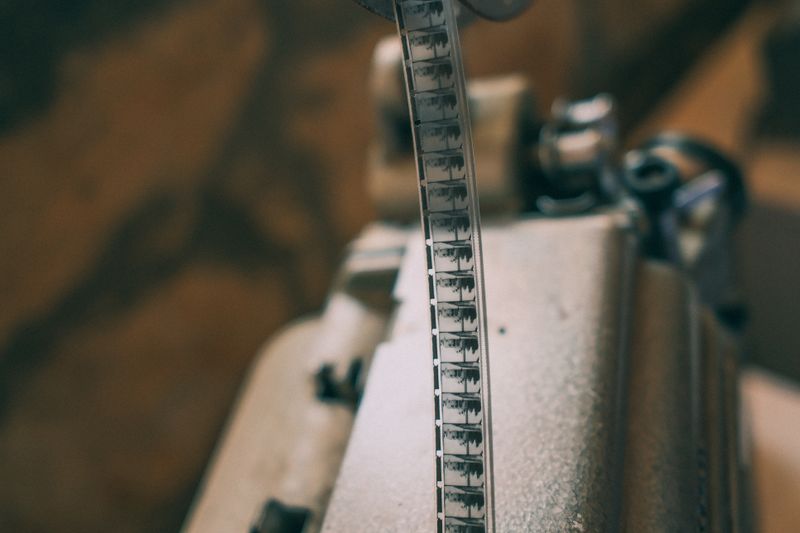
The points below about processing archive footage are ordered by how much difference they make, not by how often they get repeated.
What matters most
- Colourising monochrome film invents information that was never recorded.
- Machine upscaling generates detail rather than recovering it.
- Frame interpolation creates images that were never photographed.
Colour was never recorded, so it is invented
A monochrome negative contains luminance information and no colour data, so any colour applied is a reconstruction from research, guesswork or a model. Where costume and set records survive, the reconstruction can be well-founded for specific elements and remains an interpretation. Films shot in monochrome were also lit and designed for monochrome, with contrast and tonal separation chosen accordingly.
Adding colour therefore undermines decisions that were made deliberately in the original photography.
Upscaling generates rather than recovers
Machine upscaling predicts plausible detail from patterns learned elsewhere and inserts it, which can look sharper and is not what the camera captured. On faces and fine texture this produces confident detail that is simply wrong, which matters for historical footage in particular. A genuine rescan from the original element recovers real detail; upscaling from a poor copy does not.
In the edit, the distinction is invisible to a casual viewer and decisive for archival purposes.
Interpolation creates frames nobody shot
Generating intermediate frames to increase smoothness produces images that never existed and alters the motion character of the original. Historical footage shot at lower rates has a specific look that is part of its evidentiary character. The results can be striking as popular presentation and are not a record of what was filmed.
The same objection applies to motion smoothing enabled by default on many televisions.
Presentation and preservation are different jobs
Processed versions can bring historical footage to audiences who would not otherwise watch it, which is a real and defensible benefit. The problem arises when processed material circulates without labelling and displaces the original.
What the cut is doing: archives generally insist that the unmodified version remain available and documented alongside any processed presentation. That position resolves most of the argument without banning anything.
Labelling is the practical standard
Stating what was done, with what tools, and from what source, lets a viewer know what they are looking at. This is already the norm in serious restoration documentation and is largely absent in popular online presentations.
In practice, the absence is what turns a legitimate technique into a source of misinformation about the past. The demand is disclosure rather than restraint.
Release strategies shift between territories, so your experience may differ.
Your television is doing some of this already
Motion smoothing, dynamic contrast, sharpening and colour enhancement are frequently enabled by default on consumer displays. Filmmaker-oriented picture modes exist on many sets specifically to disable them.
In the edit, this means many viewers watch processed versions of everything without having chosen to. Turning the processing off is a free improvement for anyone who wants to see what was delivered.
Everything above, in order of what to do first
- Colour was never recorded, so it is invented. A monochrome negative contains luminance information and no colour data, so any colour applied is a reconstruction from research, guesswork or a model.
- Upscaling generates rather than recovers. Machine upscaling predicts plausible detail from patterns learned elsewhere and inserts it, which can look sharper and is not what the camera captured.
- Interpolation creates frames nobody shot. Generating intermediate frames to increase smoothness produces images that never existed and alters the motion character of the original.
- Presentation and preservation are different jobs. Processed versions can bring historical footage to audiences who would not otherwise watch it, which is a real and defensible benefit.
- Labelling is the practical standard. Stating what was done, with what tools, and from what source, lets a viewer know what they are looking at.
- Your television is doing some of this already. Motion smoothing, dynamic contrast, sharpening and colour enhancement are frequently enabled by default on consumer displays.
The takeaway
Processing makes a new image. Keep the old one and say what you did.
Craft is the part that keeps working after the surprise has gone.
Questions readers ask
Is colourising old film wrong?
It is an interpretation that invents information the negative never held, and it works against lighting and design choices made for monochrome. As labelled presentation alongside the original, it is defensible.
Does AI upscaling improve old footage?
It generates plausible detail rather than recovering real detail, which can look sharper and be factually wrong. A fresh scan from the original element is the genuine improvement.