Archive
Trailers are historical documents about how films were sold
Marketing material records what distributors believed audiences wanted at a given moment. As archive objects, trailers frequently tell you more than the films do.
What follows is an argument about film trailers as archive, and about where the received version of it stops being true.
The argument in brief
- Trailers were made by specialist houses rather than by the film-makers.
- They frequently contain footage that is not in the finished film.
- Surviving trailers sometimes preserve material from otherwise lost films.
Trailers are a separate craft with separate authors
Marketing houses cut trailers from available material with their own editors, music and voice work, generally without the director's involvement. Their objective is attendance rather than representation, so the resulting piece is an argument about a film rather than a summary of it. This is why trailers routinely misrepresent tone, plot emphasis and even genre.
Reading them as a failed synopsis misses what they were built to do.
They preserve footage that no longer exists elsewhere
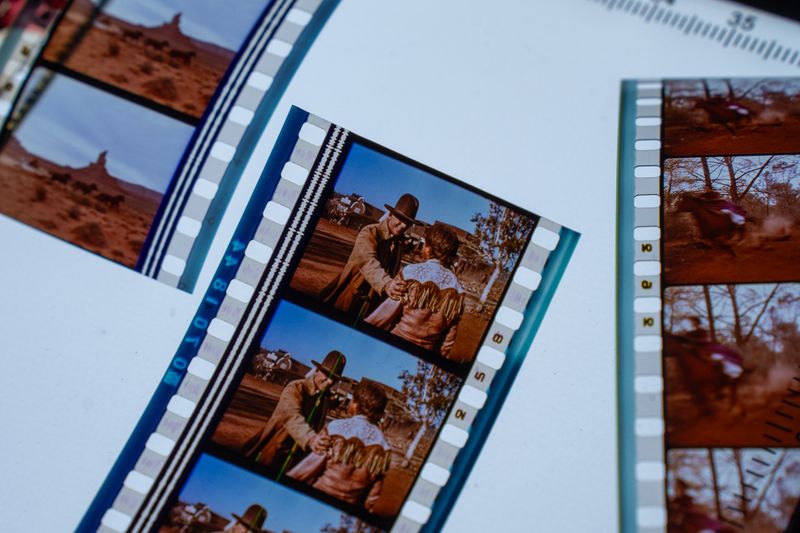
Trailers are frequently cut early from material that is later trimmed, reshot or removed, so they retain alternate takes and deleted shots. For lost films, a surviving trailer may be the only moving footage that exists. Archives collect them for exactly this reason rather than as ephemera.
Frame by frame, they are an unusually dense record of what was shot.
Conventions changed and the changes are legible
Narration styles, title card design, music approaches, structure and running length have all shifted across decades in traceable ways. Comparing trailers for similar films across eras shows changing assumptions about what audiences needed to be told.
This makes them a usable primary source for how marketing understood its audience. The shift toward showing more of the film over time is one of the clearer trends.
They shape reputation before release
Because a trailer sets genre expectation, it establishes the contract a film will be judged against. A film mis-sold by its marketing frequently receives hostile initial reception and is reassessed later once that context is gone. The marketing decision therefore leaves a durable mark on a film's critical record.
This is one of the least examined influences on how films are historically ranked.
Related ephemera carries the same value
Posters, press books, lobby cards, television spots and exhibitor materials document distribution strategy in detail. Press books in particular record what distributors instructed cinemas to say about a film, which is unusually direct evidence.
Much of this material survives in collections and archives and is under-used by researchers. It is cheaper to preserve than film and easier to digitise.
Modern marketing is harder to archive
Online campaigns, platform trailers, social clips and personalised artwork exist in many variants and are frequently taken down. Nothing systematically preserves the version of a campaign a particular audience saw. Personalised artwork in particular means there is no single canonical marketing object to keep.
In practice, the record of how films are sold today will be substantially thinner than the record of how they were sold decades ago.
The takeaway
The trailer records what someone thought would sell. That is worth keeping.
The trailer sells a premise. The film has to survive its own middle.
Questions readers ask
Why do trailers show scenes not in the film?
They are cut early from available material, before the edit is locked. Shots that are later trimmed, reshot or removed remain in the trailer, and some material is shot for marketing.
Are trailers made by the director?
Generally not. Specialist marketing houses cut them with their own editors and music, working to an attendance objective rather than a representational one.