Archive
Television was erased on purpose because tape cost more than memory
Programmes were wiped so the tape could be reused. What survives from early television survives largely by accident, through overseas sales and private recordings.

Everything below about television archives comes from what actually happens rather than from what is supposed to.
What holds up in practice
- Videotape was expensive and routinely reused, erasing the recorded programme.
- Overseas sales copies and off-air recordings account for much of what survives.
- Recovery of missing material continues through collectors and foreign archives.
Reuse was the point of the medium
Early videotape was costly, and reusing it was standard practice rather than negligence by the standards of the time. Repeats were limited by agreements with performers and writers, so a recording had little foreseeable value after transmission. The material was treated as a delivery mechanism rather than as a work to be kept.
Loss on a very large scale followed directly from that entirely rational position.
Survival was mostly a side effect of sales
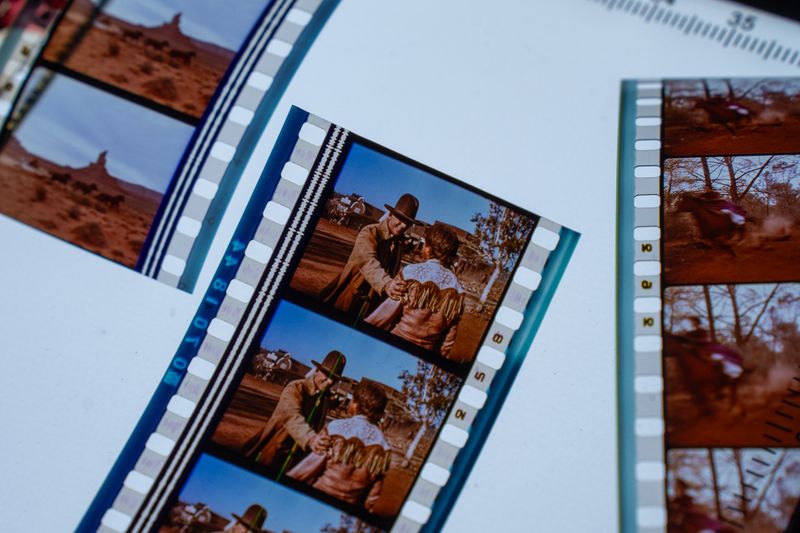
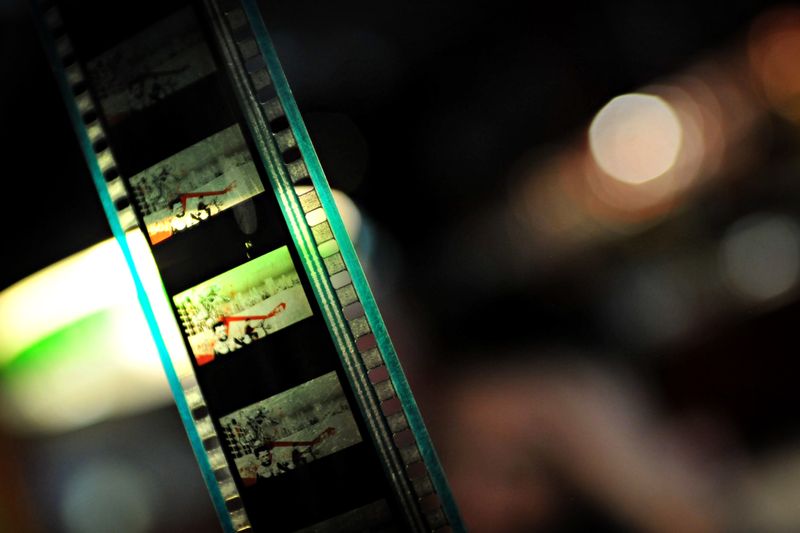
Programmes sold overseas were transferred to film for broadcasters using different standards, and those film copies frequently outlived the domestic tape. Copies have been recovered from broadcasters, distributors and collectors in countries far from where the programmes were made. This means what survives is skewed toward what was exportable rather than toward what mattered.
The surviving record is a commercial artefact as much as a cultural one.
Amateur recordings fill real gaps
Off-air audio recordings made by viewers at home preserve the soundtrack of programmes whose pictures are gone. Combined with production stills, scripts and photographs taken off screens, these support reconstructions.
Enthusiast networks have been central to identifying and cataloguing this material. It is one of the clearest examples of amateur activity doing consequential archival work.
Recovery continues and is slow
Material is still returned to archives from private collections, storerooms and overseas holdings. Each recovery depends on someone recognising what they have, which is why publicity about missing material is itself a preservation strategy. Documentation of what is missing has improved substantially, which makes identification more likely.
By the second act, the rate of recovery has slowed and has not stopped.
Formats compound the problem
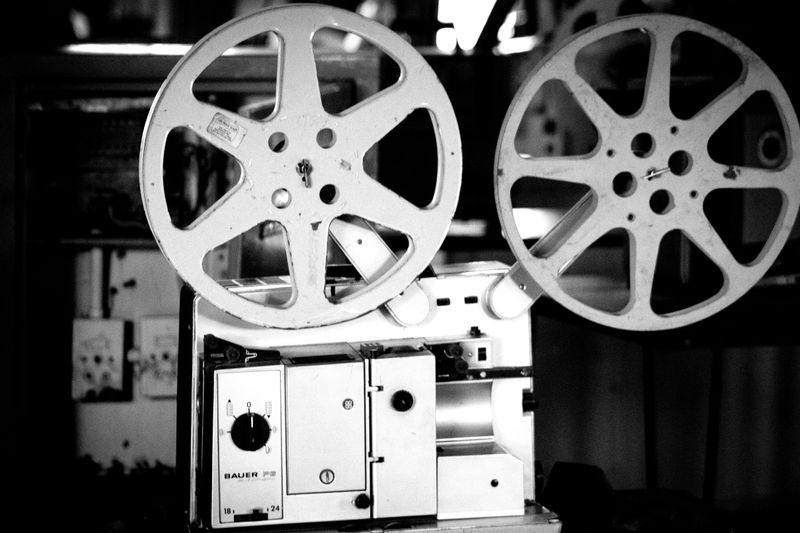
Early video formats used equipment that is now rare, and playback requires machines that fewer people can maintain. Transferring material off obsolete formats is a race against the availability of working hardware and expertise.
Archives prioritise formats at risk of becoming unplayable, which is a different priority from prioritising by content. It is a preservation problem where the bottleneck is engineering rather than money alone.
Budgets and schedules here are reported rather than confirmed, and studios rarely correct them.
The same logic threatens current material
Content available only through a streaming service depends on that service continuing to carry it, and removals have happened. Legal deposit arrangements for broadcast and online material exist in some countries and cover platform-exclusive content unevenly.
What the cut is doing: this is the direct modern parallel to tape reuse: material considered to have no ongoing value disappearing without anyone deciding to destroy it. The mechanism differs and the outcome is the same.
The takeaway
Nobody decided to destroy it. They decided it had no value, which was enough.
Craft is the part that keeps working after the surprise has gone.
Questions readers ask
Why did broadcasters wipe their own programmes?
Videotape was expensive and reusable, repeat rights were limited, and recordings had little foreseeable value after transmission. Reuse was standard practice, not negligence by the standards of the time.
How is missing television recovered?
Mostly through film copies made for overseas sale, collectors' holdings and off-air recordings made by viewers. Publicity about what is missing is itself part of the recovery method.