Archive
Home movies are the archive nobody planned to keep
Amateur film records ordinary life that no professional production had any reason to photograph. It is also the material most likely to be thrown away.
Most explanations of amateur film archives stop at the point where it starts to matter. This one carries on.
The short version
- Amateur gauges were designed for domestic use and often lack sound.
- The material documents everyday life that professional film ignored.
- Most of it is discarded during house clearances rather than deliberately destroyed.
A parallel body of film exists outside the industry
Domestic film gauges were sold for decades to families, clubs, schools, businesses and enthusiasts who shot enormous quantities of material. Almost none of it was made with any thought of an audience beyond the people in it, which is precisely what makes it valuable now. It records streets, workplaces, clothing, transport, weather, celebrations and ordinary behaviour that no professional production was commissioned to photograph.
Where professional footage of a place exists it was usually shot for a reason, and that reason shapes what was included. Amateur film is comparatively unshaped, which makes it awkward to watch and unusually reliable as evidence.
The formats have their own characteristics
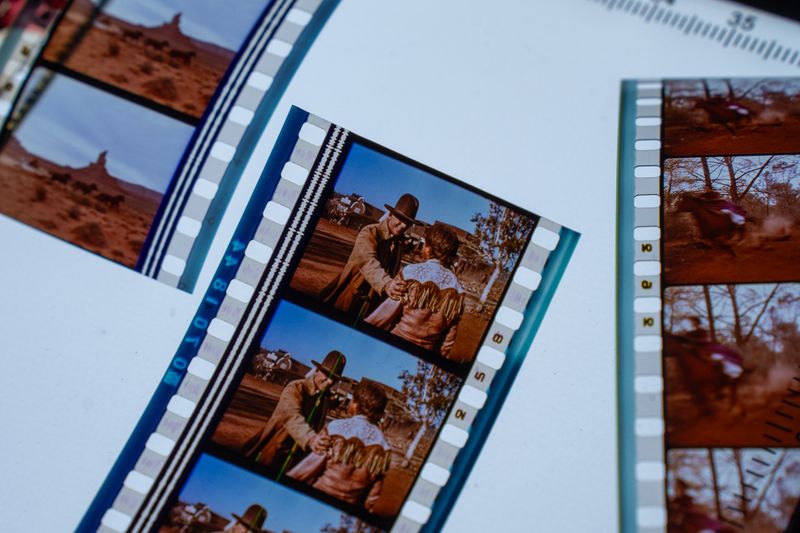
Narrow gauges were designed to make film affordable, using less material per second and accepting reduced image quality in exchange. Sound was frequently absent, since domestic sound recording synchronised to film remained difficult and expensive for most of the period. Reversal stock was common, meaning the film in the camera became the projected copy with no negative and therefore no backup.
That single-copy condition is the central preservation problem, since loss or damage is immediately total. Shooting in short bursts was normal because film was expensive, which produces the characteristic fragmented rhythm of the material.
Loss happens through indifference
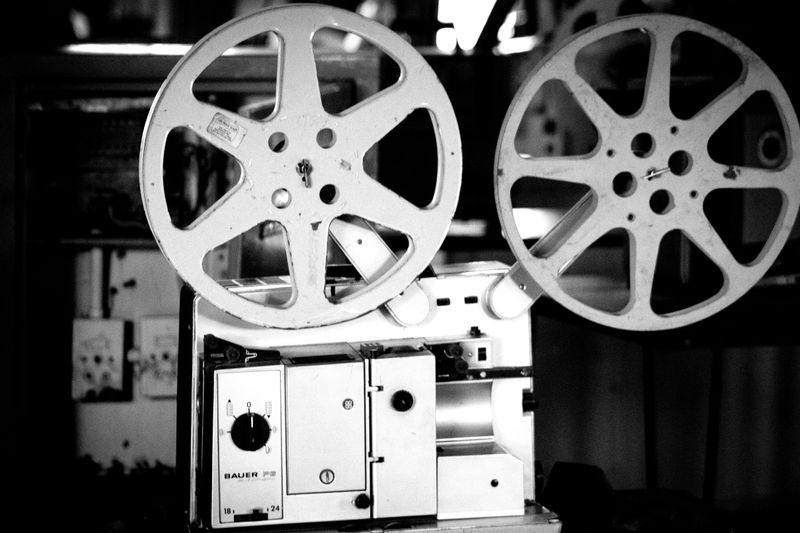
Home movies are discarded during house clearances, after bereavements and in moves, usually by people who cannot view them and do not know what they contain. Nobody destroys them deliberately, which means the loss is silent and continuous rather than dramatic. Projection equipment has become scarce enough that most families cannot look at material they own.
Regional archives in several countries run collection programmes specifically to intercept this, and they depend on people knowing they exist. The simplest useful intervention available to anyone is not throwing away film they cannot identify.
Identification depends on the family
Amateur footage rarely carries titles, so who is in it, where it was shot and when are known only to people connected to it. That knowledge disappears within a generation, which makes recording it far more urgent than digitising the film. Archives commonly record a family member describing footage while watching it, producing a commentary that becomes part of the holding.
Where that has not happened, identification falls back on the same techniques used for any anonymous material and succeeds less often.
The film can survive perfectly while the information that makes it meaningful is lost entirely.
Access raises questions professional material does not
Home movies contain identifiable private individuals who never consented to public exhibition and frequently cannot be asked. Data protection and privacy rules differ substantially between jurisdictions and can apply to identifiable people in archival footage. Archives generally negotiate deposit agreements specifying what may be shown, to whom and in what context.
Watched twice, depositors sometimes restrict access for a defined period, which is a reasonable accommodation and a limit on immediate usefulness. Anyone depositing material should discuss these terms explicitly rather than assume any particular outcome.
Release strategies shift between territories, so your experience may differ.
Its value is documentary and it is used as such
Historians, documentary makers and local researchers draw on amateur footage for exactly the material that official records omit. It has been used to establish how places looked before redevelopment, how work was actually performed and how ordinary events were conducted. The absence of an intended audience means the framing reflects what the person holding the camera considered worth recording.
In the edit, that is itself evidence, since what a family chose to film describes them as much as the images do. A body of material assembled with no intention of being an archive has become one of the more useful ones available.
The takeaway
Record who is in it before you worry about the scan. That information is the fragile part.
Craft is the part that keeps working after the surprise has gone.
Questions readers ask
Is old home movie film worth keeping?
Usually yes. It records everyday life that professional film ignored, and much of it exists as a single copy with no negative. Regional archives often accept deposits.
What should I do before digitising family film?
Record somebody describing it while watching. The film often outlives the knowledge of who and where it shows, and that knowledge cannot be reconstructed later.