Craft
A Location Is Chosen For Where The Trucks Can Park
Scouting looks like an aesthetic search but is decided by access, power, parking and noise. The prettiest building is frequently unusable for reasons the camera never shows.

Location scouting is treated as a hunt for the right image, and it partly is. The final choice is usually made on logistics that will never appear on screen.
A unit is larger than the picture suggests
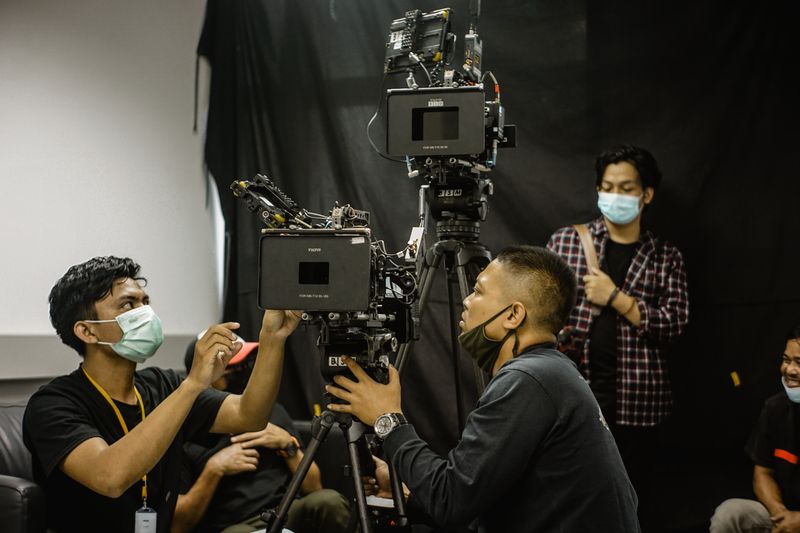
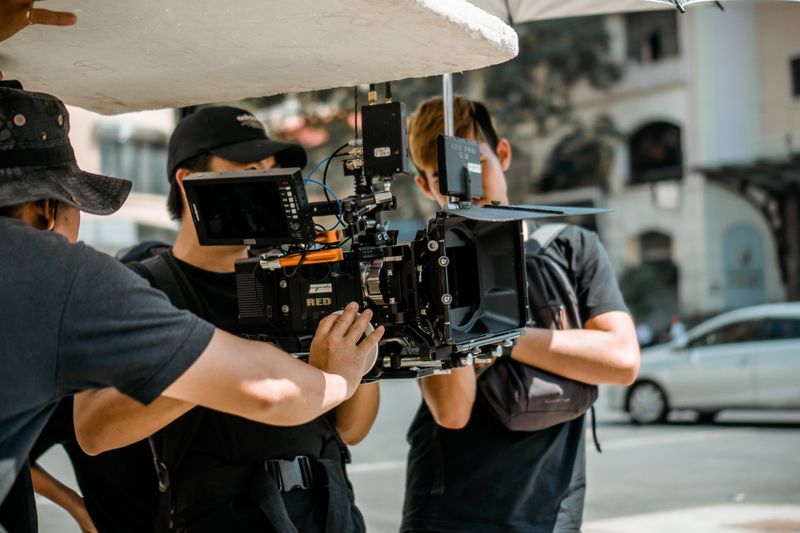
Even a modest shooting unit arrives as a convoy: camera, lighting, costume, catering, and vehicles for cast and crew. All of it must sit within a short walk of the set.
If equipment has to be carried a few hundred extra metres, that cost is paid on every setup for the whole day. Walking distance converts directly into lost shooting hours.
So the parking survey often decides between two locations that look equally good in photographs. The one with a yard behind it wins over the one with a beautiful street and nowhere to stop.
Power and noise are the usual disqualifiers
Lighting a large interior needs far more electricity than a domestic supply provides. Either the building has industrial power or a generator must sit somewhere it cannot be heard.
Noise is the constraint that surprises people. A flight path, a busy road or a plant room ruins usable dialogue even when the picture is exactly right.
Scouts therefore listen as much as they look, returning at the time of day the scene will shoot. A quiet street at ten in the morning may be unusable at school pick-up.
Permission is a schedule, not a formality
Filming needs consent from owners, local authorities and sometimes neighbours, and each of those has its own timetable. A location that cannot be cleared in time is not a location.
Some places carry restrictions that reshape the day, such as limited hours, a cap on crew numbers or a ban on rigging anything to the structure.
Productions weigh these against the cost of building the same space on a stage, where control is total and permission is nobody else's decision to make.
Geography on screen is assembled
The exterior, the hallway and the room behind the door are frequently three separate buildings in different places. Continuity of architecture, light and paint colour is managed deliberately.
Production design links them with repeated details, and the edit does the rest. Audiences accept the join because the cutting pattern tells them the spaces are connected.
This assembly is often cheaper than finding one building that offers everything. It also lets each space be chosen for the specific demand of its scene.
The location keeps working after the shoot
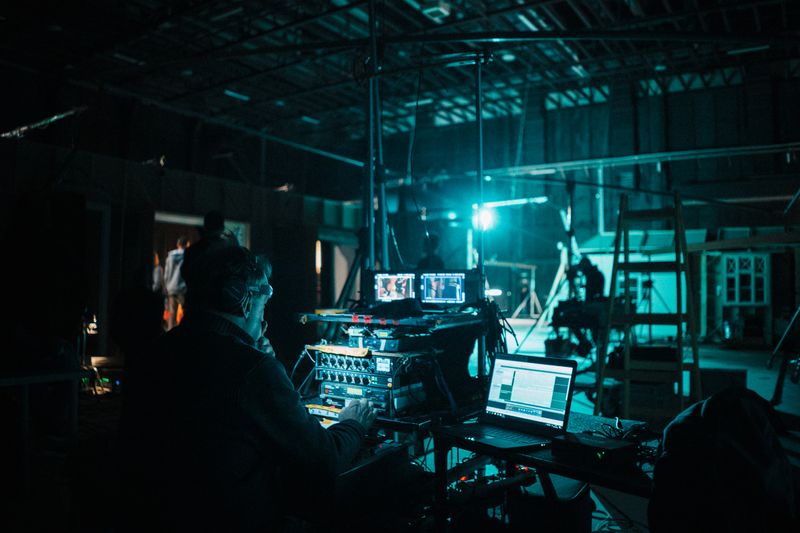
Sound recordists capture atmosphere tracks of the empty space so the edit can bridge takes recorded hours apart. Without them, the silence between lines changes texture at every cut.
Reference photographs and measurements are taken in case a set has to be rebuilt for pickups. Rebuilding a corner of a room is common when a location cannot be revisited.
Restoring the site is part of the job as well, and doing it well determines whether the next production is welcome there. Access is a reputation, maintained over years.
Questions readers ask
Does replaced dialogue mean the original performance was bad?
Usually not. The most common cause is uncontrollable location noise, and the aim is to preserve the take that worked visually.
Why do dubbed versions sometimes say different things from the subtitles?
Dubbing has to fit mouth movements and timing; subtitles have to fit reading speed. Each compromises differently, so they diverge legitimately.