Craft
Practical Effects Are Scheduled Around How Long A Reset Takes
Physical effects are limited less by whether they work than by how quickly the set can be returned to its starting state for the next take.
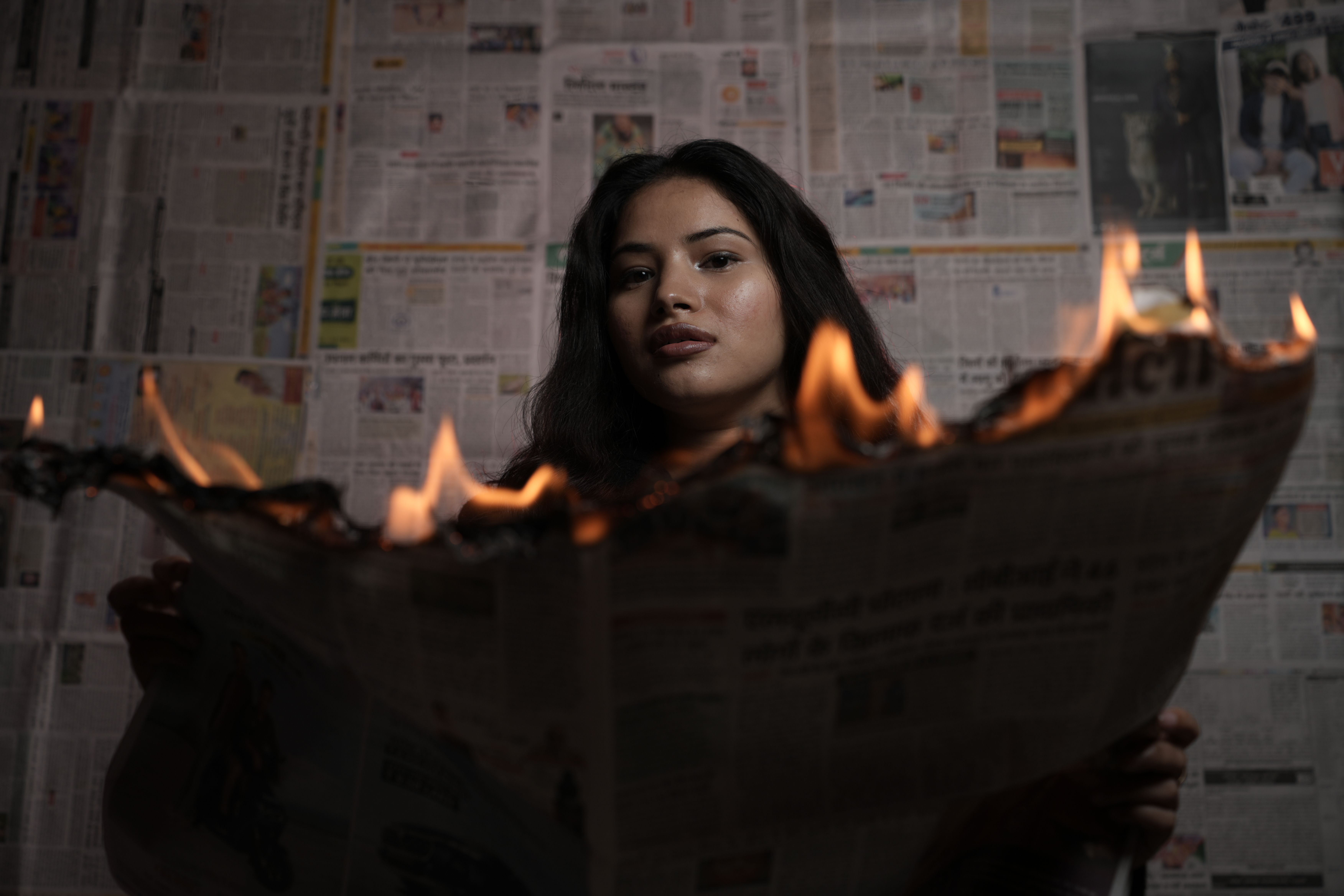
Physical effects on a set are constrained by a simple arithmetic problem. What matters is not whether the effect works but how long it takes to be able to do it again.
The reset is the unit of planning
Any effect that alters the set consumes the set. Water, smoke, debris and breakage all have to be cleared, dried, replaced or repainted before another take is possible.
A one-hour reset means roughly one attempt per hour, whatever the schedule says. The number of viable takes is therefore fixed long before the camera turns over.
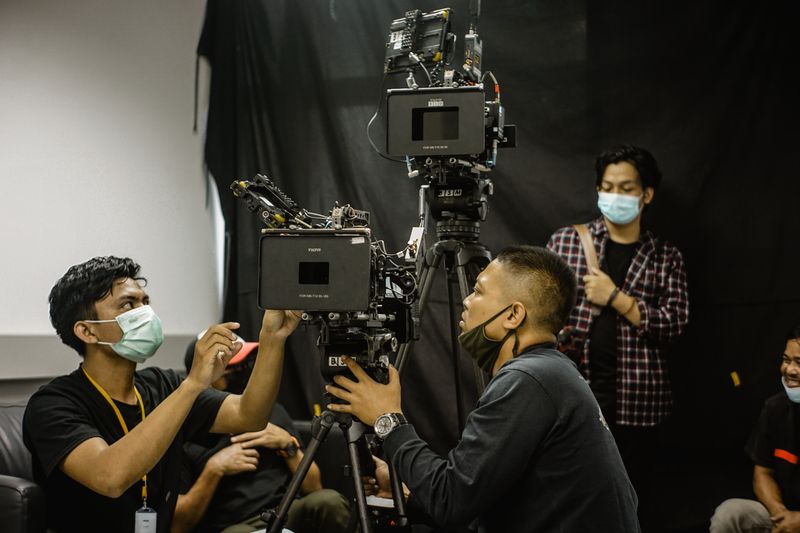
This drives coverage decisions. If only three attempts exist, several cameras run simultaneously so that a single event yields the wide, the tight and the reaction.
Rehearsal happens without the effect
Because attempts are scarce, blocking, timing and camera moves are rehearsed dry, with the effect described rather than performed.
Stand-ins walk the geography while the crew confirms focus marks and framing. Only when everything else is reliable is the effect armed.
Actors are usually shown the effect at reduced scale beforehand, so that the reaction on camera is a performance rather than genuine surprise the take cannot repeat.
Weather and water are the expensive ones
Rain has to be created across the whole frame, which means rigs, pumps, drainage and a supply of water. Once a location is wet it must stay wet for continuity.
That commitment is why rain scenes are grouped. Drying a street and re-wetting it costs more than shooting everything that needs rain in one continuous block.
Wind and smoke behave similarly: they change the whole environment, and once introduced they must be maintained at a consistent level across every shot in the sequence.
Safety governs the order of work
Anything involving fire, pyrotechnics, vehicles or falls is run by specialists with defined exclusion zones, and the setup is walked through with everyone present.
These procedures are why such sequences occupy so much of the day. Most of the time is spent establishing conditions, not performing the event.
The safe version is also frequently the more useful one. A controlled, smaller effect photographed close to the lens reads larger than an uncontrolled one shot from a distance.
Practical and digital are planned together
Physical effects give the camera real interaction: light on faces, debris in the air, reactions with genuine timing. Those are the elements that are hardest to add later.
Digital work then extends the scale, removes rigging and repeats the event where a reset would be impossible. The division is decided in preparation, not in post.
When it goes wrong, it is usually because the split was left undecided, and the shoot delivered neither a complete practical event nor the clean elements a vendor needed.
Questions readers ask
Does replaced dialogue mean the original performance was bad?
Usually not. The most common cause is uncontrollable location noise, and the aim is to preserve the take that worked visually.
Why do dubbed versions sometimes say different things from the subtitles?
Dubbing has to fit mouth movements and timing; subtitles have to fit reading speed. Each compromises differently, so they diverge legitimately.