Craft
The Colour Grade Is Where The Look Is Finally Decided
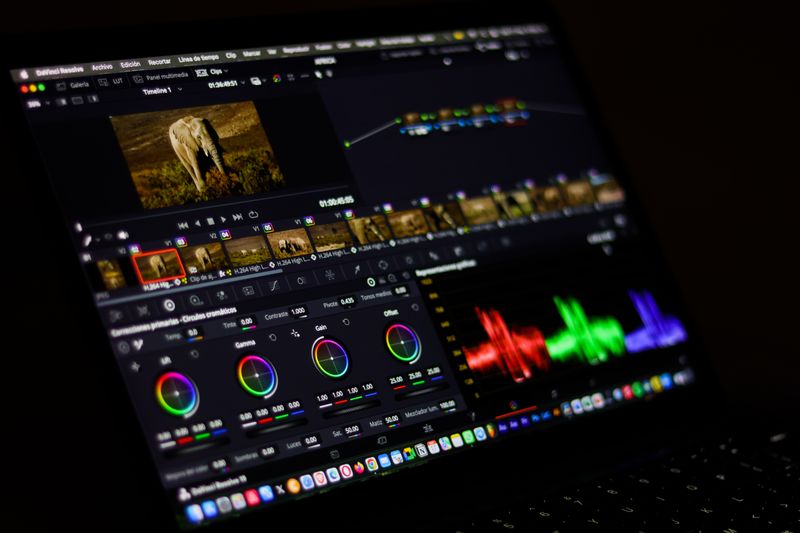
Grading is not correction. It is the last pass where contrast, skin tone and colour separation are set, and it can change what a scene appears to mean.

The image an audience sees was decided long after the camera stopped rolling. Grading is a deliberate authoring stage, not a technical clean-up applied at the end of the process.
What the camera actually delivers
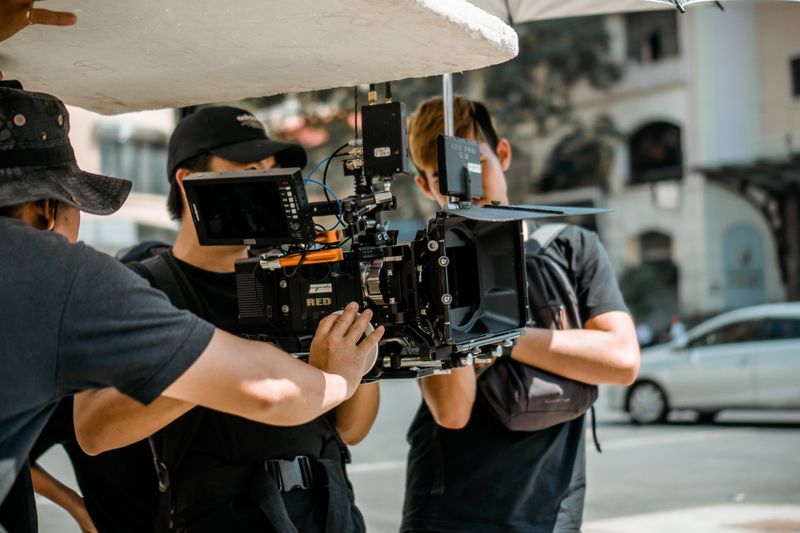
Modern cameras record a flat, low-contrast image that looks washed out on a monitor. That flatness is intentional, because it preserves detail in bright windows and dark corners.
Those preserved extremes are the raw material of grading. A file that already looked finished on set would have thrown away the range a colourist needs to work with.
This is why on-set monitors usually run a temporary look applied over the flat image. Everyone judges the shot through a rough approximation of where it is heading.
Grading is mostly about directing the eye
A colourist spends much of the day making one part of the frame slightly brighter or warmer than the rest. The audience never registers the adjustment, only the result.
Faces get particular attention, because skin tone is the reference the eye trusts most. A face that drifts green or grey reads as wrong before a viewer can say why.
Separating a character from a background is often a colour problem rather than a lighting one. Cooling the wall behind an actor pushes them forward without touching the actor at all.
Continuity is the unglamorous half of the work
A scene shot across three days will have three different qualities of daylight. Grading reconciles them so the conversation appears to happen in a single unbroken afternoon.
The same applies to shots from different cameras or different units. Sensors vary, lenses vary, and matching them is close work done shot by shot rather than scene by scene.
This matching consumes far more grading time than the stylistic decisions that get discussed afterwards. Most of the schedule goes on making the film consistent, not on making it distinctive.
The look is agreed before it is executed
Serious productions test the look during preparation, shooting reference material and grading it while there is still time to change lenses, filters or costume colours.
That test becomes a reference the crew shoots towards. It resolves arguments early, when the answer costs a conversation rather than a reshoot.
By the time the finished grade begins, the direction is usually settled. The final sessions refine and unify a look that the production has been building towards for months.
Different deliveries need different grades
A cinema screen, a bright living room television and a phone in daylight reproduce shadow detail very differently. A grade that reads beautifully in a dark theatre can turn to mud elsewhere.
So a film is graded more than once, with versions trimmed for brighter viewing and for high dynamic range displays. These are not automatic conversions but supervised passes.
The decision about which version is the reference matters. It determines which audience sees the image exactly as intended and which sees a careful approximation of it.
Questions readers ask
Does replaced dialogue mean the original performance was bad?
Usually not. The most common cause is uncontrollable location noise, and the aim is to preserve the take that worked visually.
Why do dubbed versions sometimes say different things from the subtitles?
Dubbing has to fit mouth movements and timing; subtitles have to fit reading speed. Each compromises differently, so they diverge legitimately.