Craft
The person keeping the actor sharp is not looking at the actor
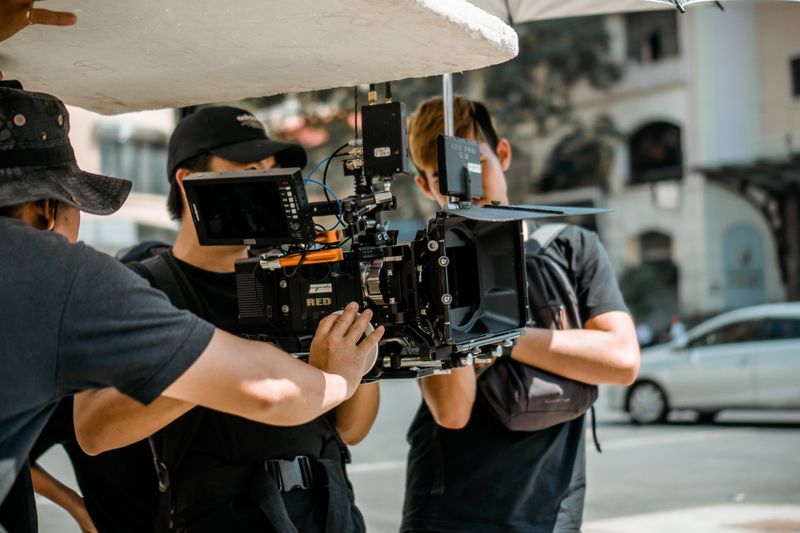
Focus is set from measured distances and rehearsed marks, not from judging the picture by eye. On a fast lens the margin is a few centimetres.
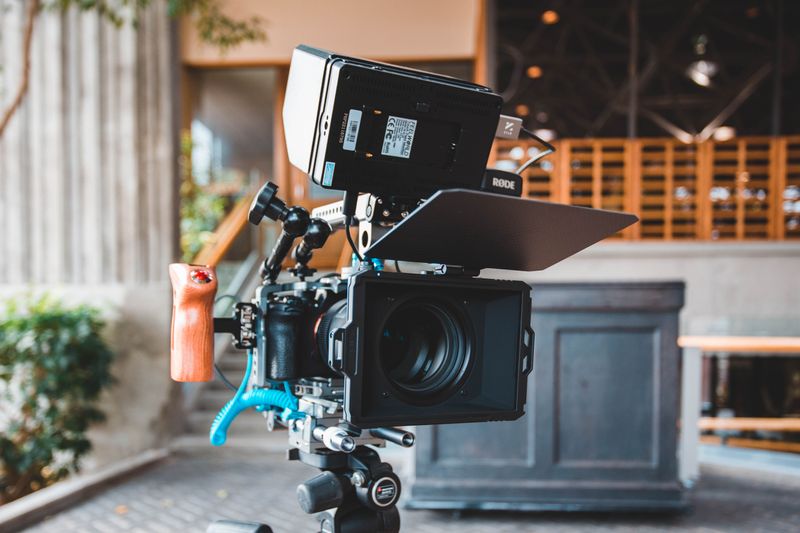
The theory of focus pulling is well covered elsewhere. This is about the version you meet in practice.
What holds up in practice
- Focus is usually pulled from measured distance marks rather than from watching the image.
- A wide aperture can make the sharp zone shallower than the depth of a face.
- A rack focus commits an editing decision at the moment of shooting.
The job is measurement before it is instinct
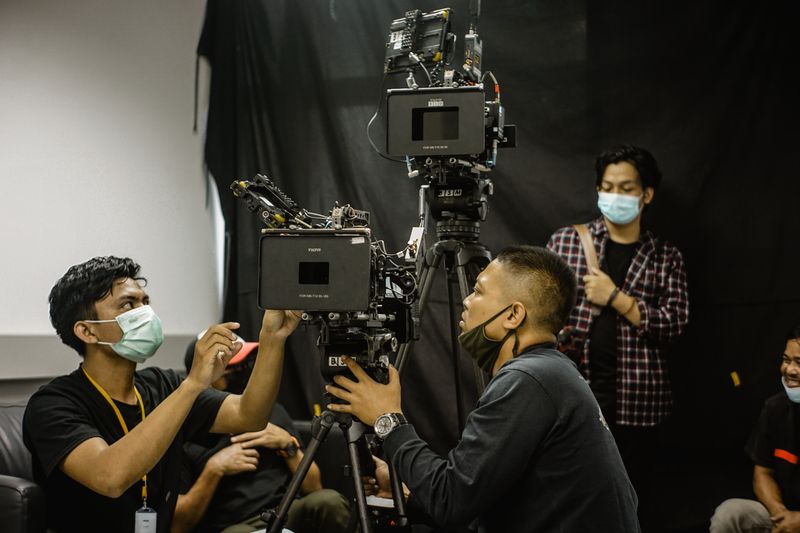
The first assistant camera sets focus by distance rather than by eye, because on many rigs nobody can judge sharpness reliably in the moment. Marks are laid on the floor and distances are taken with a tape or a laser before the take, and those numbers become the performance. With a fast lens opened wide, the zone of acceptable sharpness across a face can be shallower than the depth of a nose.
A performer who leans forward during a line can leave that zone without either of them noticing until somebody looks at playback. The puller therefore learns the scene as a sequence of positions and timings, and rehearses the move as deliberately as the actor rehearses the words.
Shallow focus is a choice that costs takes
Lenses opened to their widest apertures produce the soft dissolving backgrounds that audiences have learned to associate with expensive images. That look narrows the tolerance to a few centimetres, which is why a setup can run several takes for reasons that have nothing to do with acting.
Closing the aperture buys margin but changes the picture, because more of the room becomes legible and the eye is given more to choose between. Cinematographers make that trade knowingly, weighing how much they want to isolate one face against how much of the day they can afford to spend. Lower-budget productions often shoot deeper for scheduling reasons rather than aesthetic ones, since deep focus forgives the small errors a rushed day produces.
Moving focus inside a shot is a form of cutting
A rack focus shifts attention from one plane to another without a cut, which is why it reads as a thought rather than a change of angle. The speed of the move matters as much as its destination, since a slow pull feels like dawning realisation and a fast one feels like alarm.
Watched twice, because it happens inside a single take, the decision is committed at the moment of shooting instead of being left open for the edit. Editors sometimes ask for a clean version without the rack, so the same beat can be assembled from separate angles if the scene changes shape. This is one of the few camera decisions that closes doors in post, and careful crews talk it through before the camera rolls.
The monitor changed the job in both directions
Wireless follow focus and large sharp monitors let the assistant see softness that was effectively invisible in the era of the eyepiece alone. Those same monitors let everyone else on set see it too, so a soft frame is now noticed by a dozen people simultaneously. Higher-resolution capture is less forgiving, because a slightly soft image that would have survived a projected release print is obvious on a large modern display.
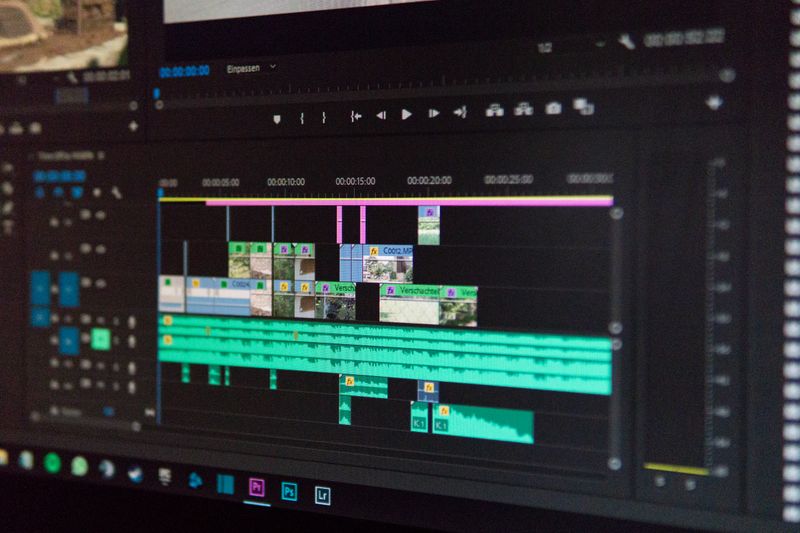
What the cut is doing: judging focus from a monitor in bright daylight remains unreliable, which is why peaking overlays and focus assist tools are standard equipment.
Many crews still measure and mark first and treat the monitor as confirmation, because the tape does not care how bright the location is.
Autofocus arrived and the argument did not end
Modern tracking systems follow eyes well and are now normal on documentary and small-crew work where a dedicated assistant is not affordable. The system decides what matters, which is precisely the decision a focus puller is employed to make in a staged dramatic scene.
What the cut is doing: a machine biased towards the nearest face will hold on the wrong person during a scene whose whole point is somebody listening in the background. Hybrid working is common, with automation handling a long lens on an unpredictable subject while anything blocked and rehearsed is pulled by hand. The distinction is not old against new; it is whether the choice of what is sharp forms part of the storytelling.
What goes wrong, and how it gets caught
Soft takes are usually discovered in review rather than on set, which is why a written focus report is kept as the day is shot. If a whole scene is soft the options narrow to reshooting it, cutting around it with a different angle, or accepting it and hoping nobody notices.
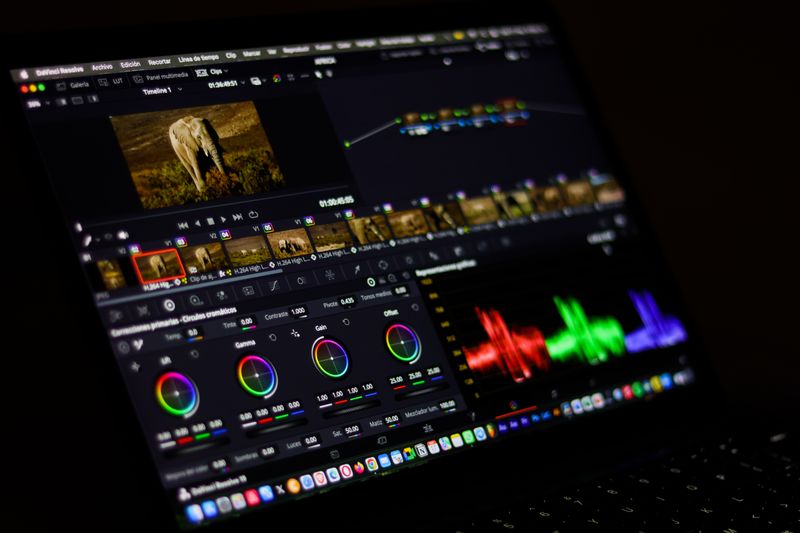
Sharpening cannot rebuild detail the lens never resolved, so a soft frame stays soft regardless of what is applied to it afterwards. Blur added deliberately in post is a separate operation with its own look, and it cannot be undone any more than the original softness can. Crews protect themselves by shooting one safety take at a smaller aperture whenever a scene turns on a single action that cannot be repeated.
The takeaway
Sharpness is planned on the floor with a tape measure, long before anyone looks at a screen.
Watch the transitions. That is where the argument of a film usually is.
Questions readers ask
Why does focus go soft so often on expensive-looking films?
Because the expensive look comes from wide apertures, and a wide aperture leaves only centimetres of tolerance. The softer background and the higher failure rate are the same decision.
Can a soft shot be fixed later?
Not really. Sharpening raises local contrast at edges but invents nothing, so detail the lens never resolved does not come back. The usual fix is a different angle.