Craft
Dailies are an early warning system that also sets the look
The route from camera to a viewable image involves decisions about colour and compression made in the first hours. Those decisions shape everything downstream.
Treat the sections below as a sequence. With dailies and the post pipeline, getting the early decisions right makes the later ones much easier.
Before you start
- Dailies exist to catch faults while the location and the cast are still available.
- A viewing look applied early tends to become the reference everyone judges against.
- Camera original files are conformed back in at the end, not used throughout the edit.
The point is catching what cannot be repeated
Reviewing the previous day’s material exists so that a technical fault is discovered while the set still stands and the cast is still contracted. A scratch, a soft take, a reflection of the crew in a window or a sound fault can be reshot cheaply the same week and expensively later. The window is short, because sets are struck, locations are handed back and performers move to other jobs on fixed dates.
Productions that skip proper review to save time regularly discover the cost of that decision months afterwards when nothing can be done. This is why the process survived the shift from film laboratories to digital workflows despite everything else about it changing.
From camera card to something watchable
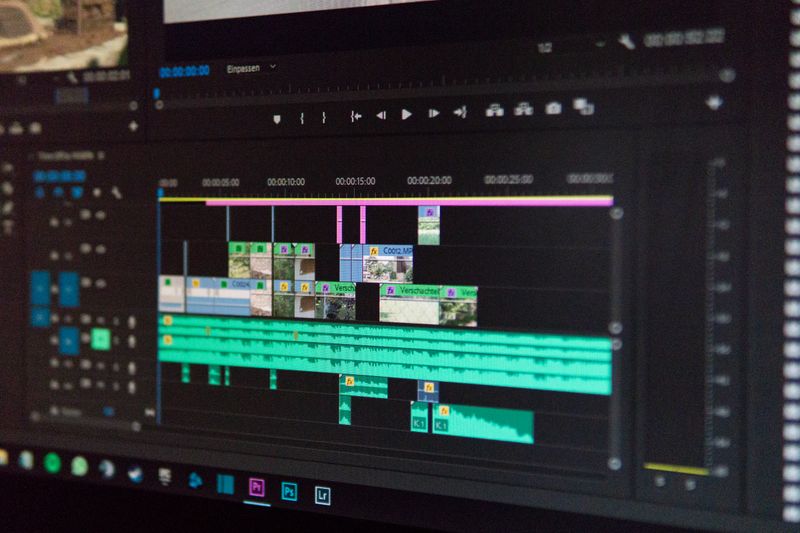
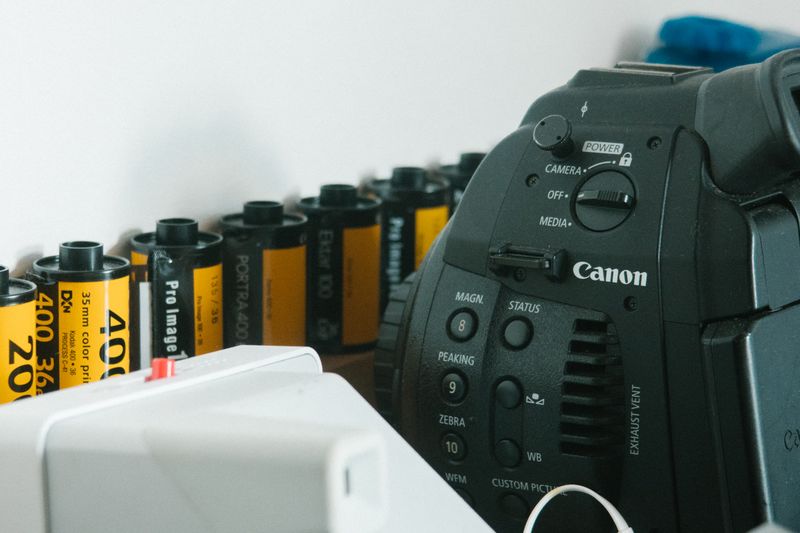
A digital imaging technician or a data manager copies camera media to multiple destinations, verifies the copies and only then allows a card to be reused. That verification step is the single most important thing that happens to a film all day, and it is entirely invisible. The original files are large and often in a format that ordinary editing systems handle slowly, so lighter versions are produced for editing and viewing.
What the cut is doing: those lighter files carry matching identifiers so the finished edit can be relinked to the camera originals for the final grade. Getting that identification wrong is one of the classic post-production disasters, and it is prevented by naming conventions agreed before the shoot.
A look is applied on day one and tends to stick
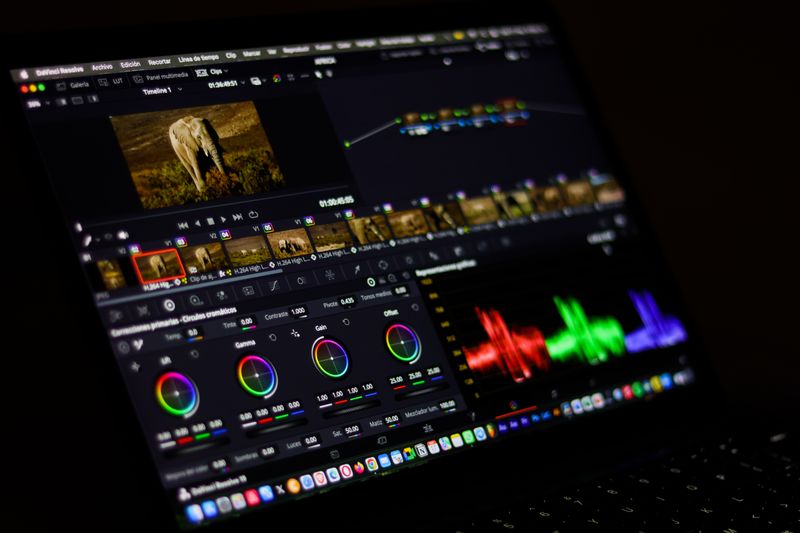
Cameras typically record a flat low-contrast image that preserves range, and that image looks dull and grey without a viewing transformation applied. Somebody therefore chooses a look, sometimes a simple standard curve and sometimes a bespoke one built with the cinematographer during prep.
That look travels through the edit and becomes what the director, the producers and the studio watch for months. By the time the final grade happens the reference is already established, and moving far from it meets resistance that has nothing to do with the image. Cinematographers who care about the finished look therefore fight for control of the dailies look, because it is where the argument is actually settled.
Who watches, and what each of them is looking for
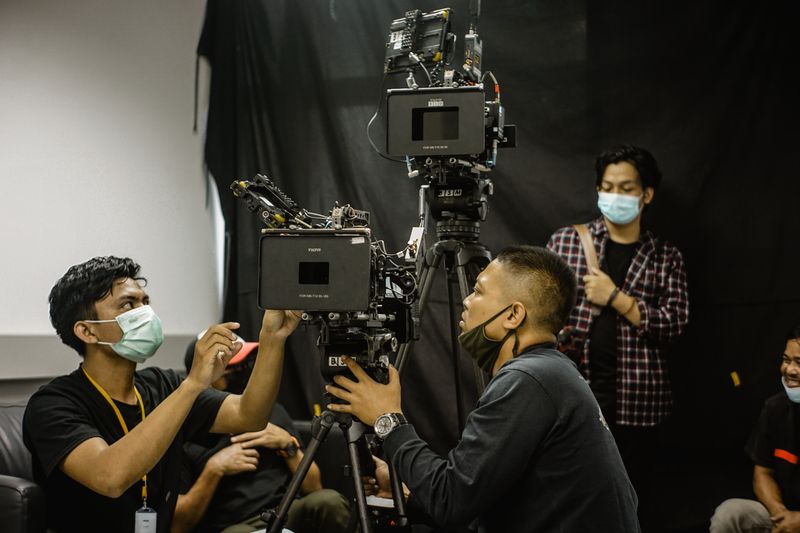
The editor is looking for usable performance and coverage gaps, and often begins assembling scenes while the unit is still shooting them. The cinematographer is checking exposure, focus and consistency between angles that were shot hours apart.
What the cut is doing: producers are watching for schedule implications, since a scene that plainly needs another day changes the plan for the following week. The director is judging whether the scene is doing what it was written to do, which is a different question from whether it is technically clean.
Each of these readings can produce a different verdict on the same material, and reconciling them is part of what the production meeting is for.
Remote review changed the ritual and the politics
Secure streaming replaced the shared screening room for most productions, so material is now watched separately on whatever device each person has. That removes the conversation that used to happen in the room, where a technical concern and a performance concern were raised in front of the same people.
It also means the image is judged on uncalibrated laptops and phones, where colour and contrast bear an uncertain relationship to what was shot. Some productions insist on at least one properly calibrated viewing environment for exactly this reason. Watermarking and access control now form part of the workflow, which adds administrative overhead to what used to be a screening.
The pipeline constrains what post can do
Decisions about codec, resolution and colour handling taken before shooting determine how much latitude the grade has at the end. Heavily compressed capture saves storage and limits how far exposure and colour can be pushed afterwards without the image breaking up. Mixed camera formats on one production create matching work that has to be solved rather than discovered, which is why tests happen in prep.
By the second act, archive planning belongs in the same conversation, since the version kept for the long term should be the highest quality one rather than the delivered master. Productions that treat all of this as a technical afterthought pay for it in the last weeks, when there is no time left to solve anything.
The takeaway
The look is settled in the first week by whoever decides what the dailies look like.
Watch the transitions. That is where the argument of a film usually is.
Questions readers ask
Why is the raw camera image so flat and grey?
Because it is recorded to preserve the widest range of brightness and colour. A viewing transformation is applied afterwards to turn that data into a picture with contrast.
Does the dailies look matter if there is a final grade?
Enormously. Everyone spends months watching the dailies look, so it becomes the reference. Departing from it late in the process is a political argument as much as a creative one.